

In John chapter 11, we are introduced to a moment that feels deeply human and painfully familiar. Jesus is told that Lazarus, someone He loves, is sick. The message reaches Him in time. The situation seems urgent. Healing appears possible. Yet, Jesus does not rush. Instead, Lazarus dies.
At first glance, this story can feel confusing. Why would Jesus delay when He had the power to heal? Why would God allow the situation to get worse when He could have stopped it early? The story of Lazarus teaches us powerful lessons about waiting on God, trusting His timing, and understanding that delay does not mean denial.
The Reality of Trouble Even When Walking With God
Jesus makes a clear statement early in the Gospels that prepares us for moments like this. In John 16:33, He says, “In this world you will have trouble. But take heart! I have overcome the world.”
Walking with God does not exempt us from pain, loss, or waiting seasons. Even when we are obedient, faithful, and prayerful, difficulties will still come. Lazarus was loved by Jesus. His sisters, Mary and Martha, believed in Jesus. Yet sickness still entered their home.
This reminds us that hardship is not always a sign that something has gone wrong. Sometimes, it is simply part of the journey of faith.
Jesus Delayed on Purpose
One of the most striking details in this story is found in John 11:6. After hearing that Lazarus was sick, Jesus stayed where He was for two more days. He did not rush. He did not explain Himself immediately. He waited.
From a human perspective, this delay feels painful. Mary and Martha had every reason to expect Jesus to come quickly. They had seen Him heal others. They trusted Him. Still, He waited until Lazarus had been dead for four days before arriving.
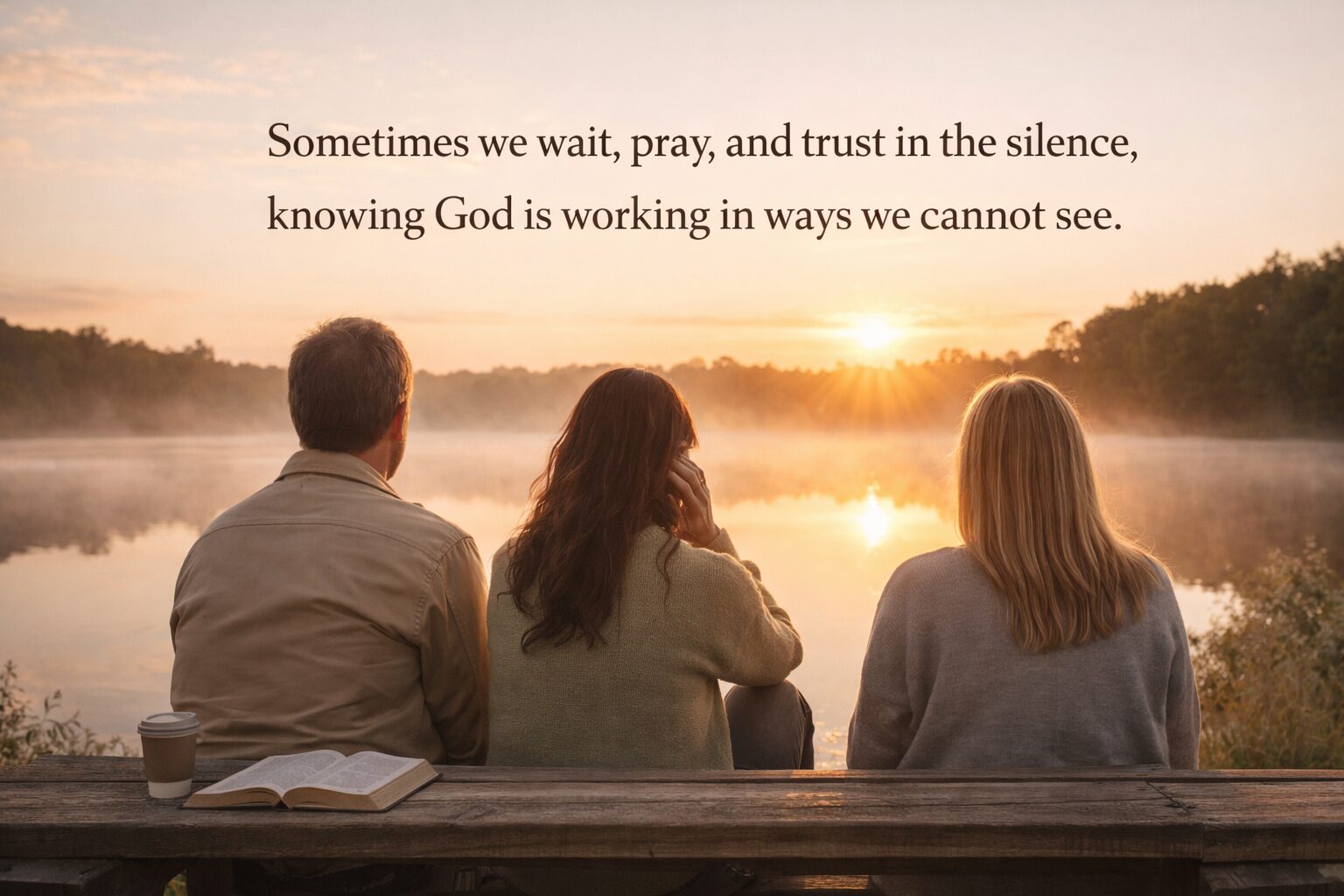
This teaches us an important truth. God’s timing is intentional, even when it is uncomfortable. Waiting does not mean God is unaware, unloving, or absent. Often, it means He is working in a way we cannot yet see.
God’s Purpose Is Greater Than Immediate Relief
Jesus explained that Lazarus’s illness would not end in death but would be used for God’s glory. While Lazarus did die physically, the story did not end there. Jesus had a greater purpose beyond immediate healing.
Isaiah 55:8 reminds us, “For my thoughts are not your thoughts, neither are your ways my ways, declares the Lord.”
We often want God to move quickly, solve the problem immediately, and remove the discomfort. God, however, sees the full picture. He knows how our waiting seasons will shape our faith, deepen our trust, and reveal His power.
What feels like delay to us may be preparation for something greater.
Waiting Builds Faith and Endurance
Jesus later tells His disciples that He was glad He was not there when Lazarus died, so that they could believe. This may sound surprising, but it reveals an important lesson. Faith often grows most in the waiting, not in the instant answer.
Waiting on God stretches us. It teaches us patience. It forces us to rely on Him rather than outcomes. Endurance is built when we choose to trust God even when the situation does not make sense.
True spiritual growth is not formed only in moments of blessing but also in seasons of uncertainty.

God Is Never Absent in the Waiting
Even though Jesus delayed, He never abandoned Mary and Martha. Hebrews 13:5 reminds us of God’s promise,
“Never will I leave you; never will I forsake you.”
When Jesus finally arrived, He wept with them. He felt their pain. He entered their grief. Waiting on God does not mean He is distant from our emotions. He sees our tears. He understands our disappointment. He walks with us through it.
God’s silence does not equal God’s absence.
The Outcome Is Always Greater Than the Delay
When Jesus called Lazarus out of the tomb, it became a powerful testimony of God’s glory. What seemed final was not final. What looked hopeless was transformed. The delay revealed God’s power in a way immediate healing never could have.
This teaches us that God’s answers often come differently than we expect, but they always come with purpose. Our expectations of breakthroughs may not align with God’s approach, but His way leads to a greater outcome.
Waiting aligns our hearts with God’s will and teaches us to trust Him fully.
Learning to Wait With Trust
The story of Lazarus reminds us that waiting is not wasted time. It is a season where faith is refined, patience is strengthened, and trust is deepened. We may not always understand why God delays, but we can be confident that His ways are good.
When we pray according to God’s will and surrender our expectations to Him, we find peace even in the waiting. In time, understanding comes. Until then, faith carries us forward.
Waiting on God is not easy, but it is never without purpose.
Leave a Reply