

When we begin studying the prophets and patriarchs of Scripture, one name immediately stands at the foundation of it all: Abraham. His story, recorded in Genesis 12 through 25, marks the beginning of God’s covenant relationship with a chosen people. However, the lessons from Abraham are not confined to ancient history. Instead, they speak directly into our present walk with the Lord.
Abraham’s journey shows us that faith often begins quietly. It starts with a call. It deepens through waiting. It is refined through testing. And ultimately, it rests on trusting the promises of God.
Called to Go Without Knowing
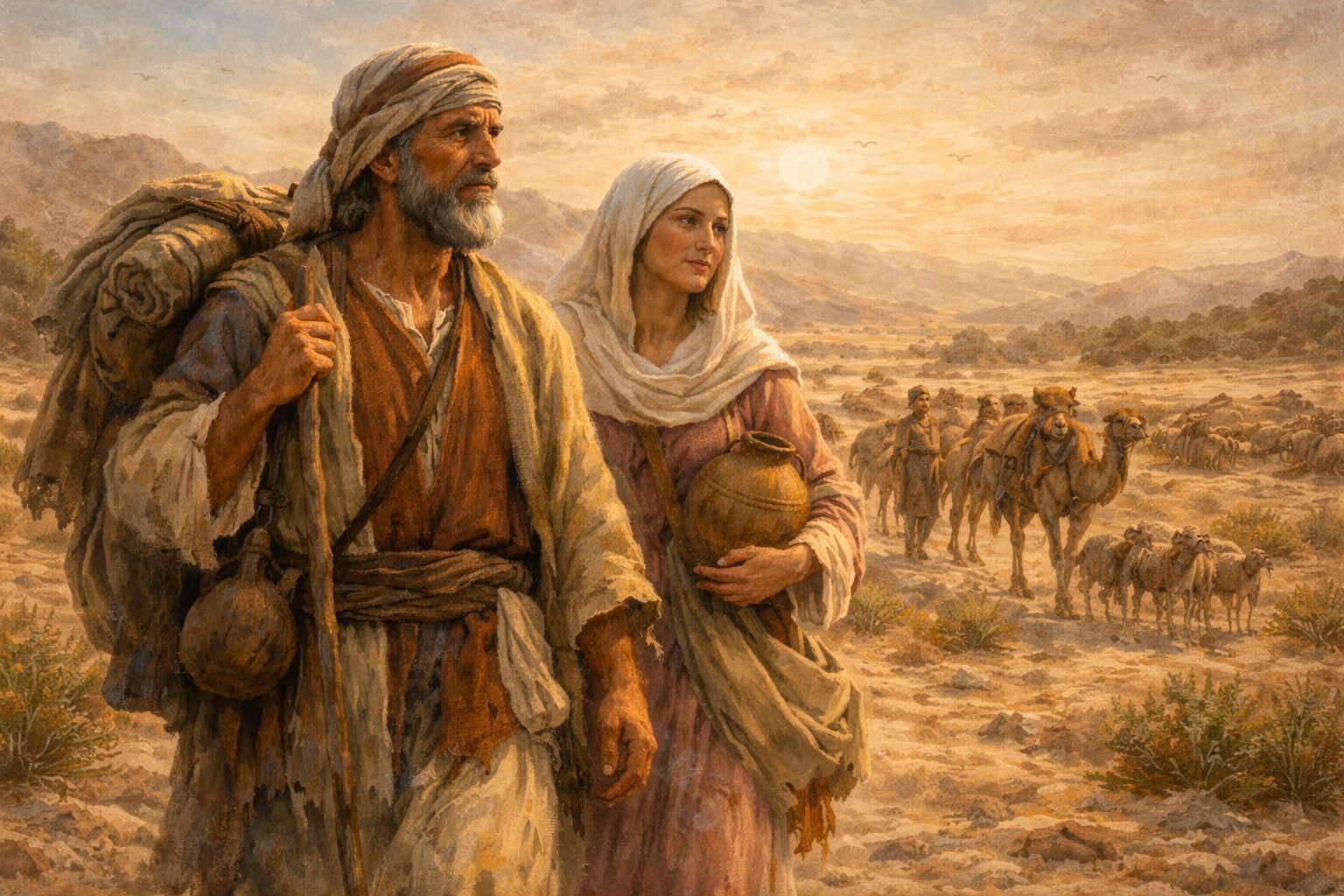
First, we see Abraham’s faith expressed through obedience. In Genesis 12, God tells him to leave his country, his relatives, and his father’s house and go to a land that He would show him. Notably, God does not provide a detailed explanation. There is no map. There is no timeline. There is only a promise.
Nevertheless, Abraham went.
This is one of the clearest lessons from Abraham. Obedience does not always come with full clarity. In fact, God often reveals direction step by step. Abraham’s response teaches us that faith is not passive agreement. Rather, it is active movement in response to God’s voice.
Perhaps you are waiting for certainty before you move. Yet Abraham reminds us that sometimes obedience comes first, and understanding follows later.
The Promise and the Waiting
Although Abraham obeyed immediately, fulfillment did not come quickly. God promised that he would become the father of a great nation. However, years passed, and he and Sarah remained childless.
Waiting stretches the soul. Over time, even faithful hearts can grow weary. At one point, Abraham and Sarah attempted to fulfill God’s promise through their own effort, resulting in the birth of Ishmael. This decision reminds us that faith does not eliminate human weakness.
Yet even in that moment, God did not withdraw His covenant. Instead, He reaffirmed His promise.
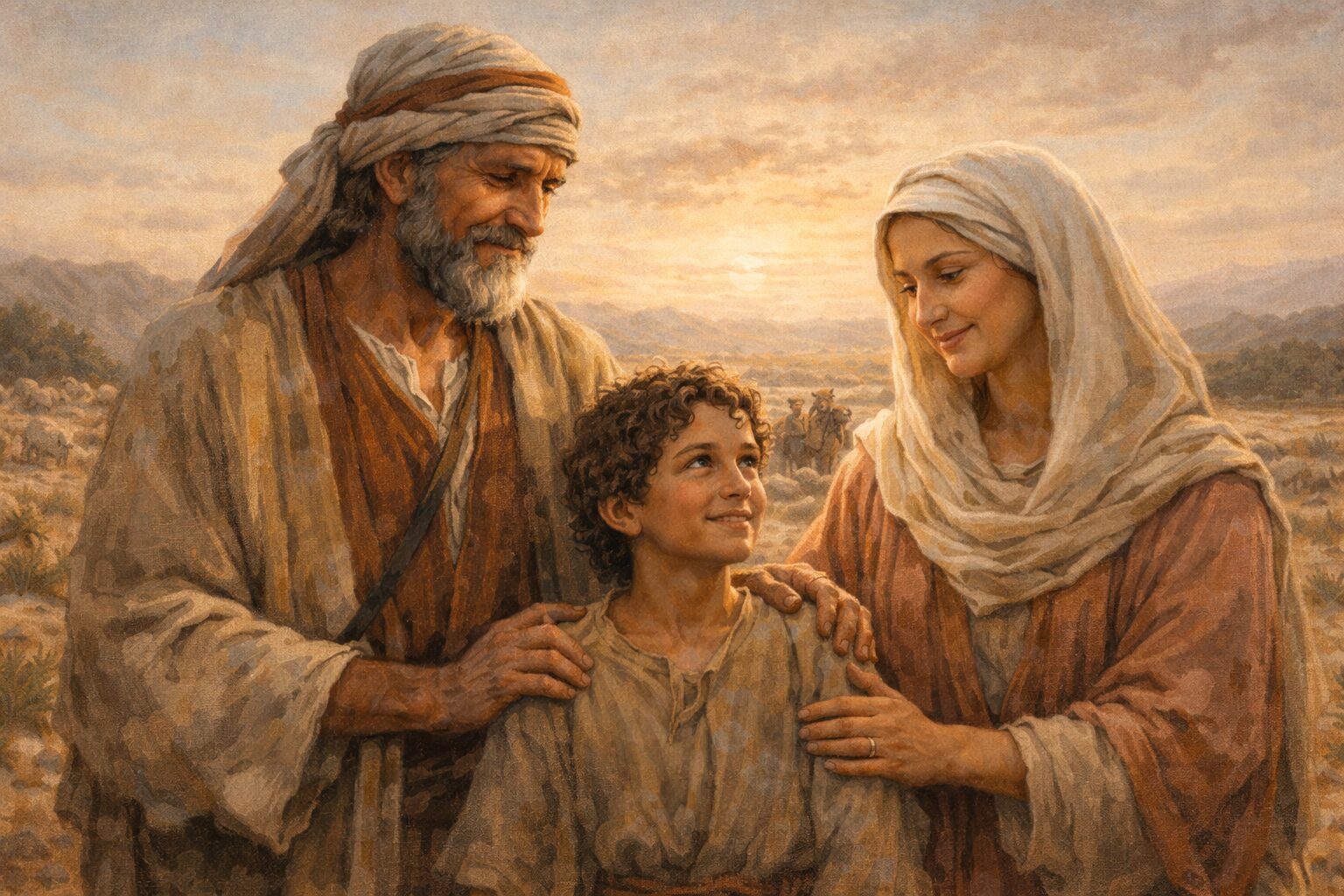
Eventually, when Abraham was one hundred years old and Sarah was well beyond childbearing age, Isaac was born. What seemed impossible became reality. Therefore, another powerful lesson from Abraham is this: God’s delays are not denials. His timing is intentional. While we wait, He is shaping trust within us.
Faith Counted as Righteousness
In Genesis 15:6, we read a foundational statement: “Abraham believed the Lord, and He credited it to him as righteousness.” This verse echoes throughout the rest of Scripture. It teaches us that righteousness is rooted in faith.
Abraham was not declared righteous because he was flawless. Rather, he was declared righteous because he trusted God. Consequently, the lessons from Abraham shift our focus from striving to trusting. Faith is not about impressing God. It is about relying on His character.
Scripture Reflection
Genesis 15:6
Abraham believed the Lord, and He credited it to him as righteousness.
Reflect
Where is God asking you to believe Him beyond what you currently see?
Is there an area where you are striving instead of trusting?
What would it look like to place full confidence in His promise today?
 The Test on Mount Moriah
Perhaps the most difficult chapter of Abraham’s life occurs in Genesis 22. After finally receiving the promised son, he is told to offer Isaac as a sacrifice. At first glance, this command appears to contradict everything God had promised. Yet Abraham obeyed.
As he walked up Mount Moriah, he demonstrated remarkable trust. According to Hebrews 11, Abraham believed that God could even raise Isaac from the dead if necessary. In other words, his obedience was not rooted in confusion but in confidence.
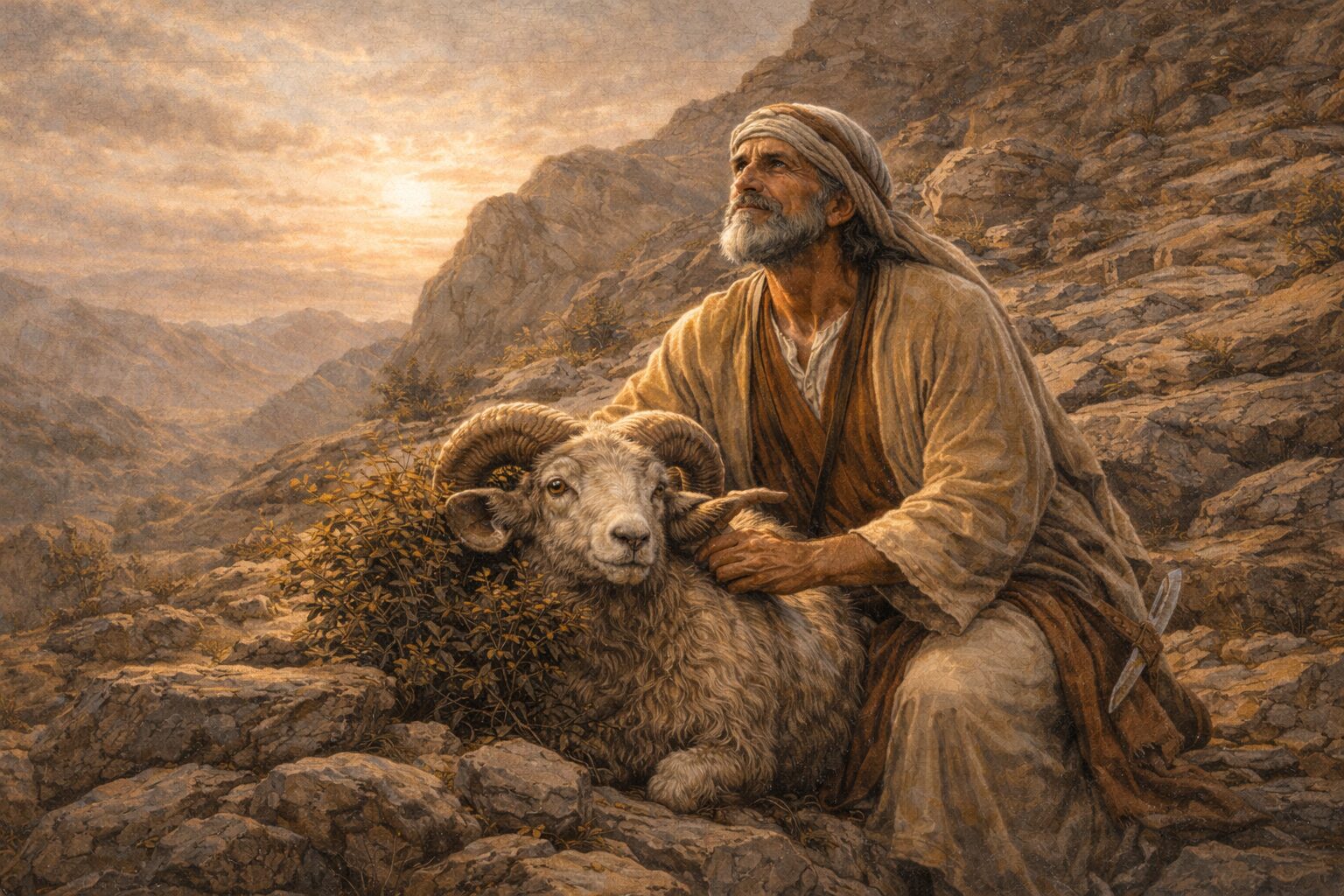
At the final moment, God provided a ram in Isaac’s place. Here we see another essential lesson from Abraham. True faith holds nothing back. It trusts God even when obedience feels costly. Furthermore, this moment foreshadows the greater sacrifice God would one day provide through Christ.
Faith is not knowing every detail of the journey. It is trusting the One who calls you to take the first step.
A Covenant Bigger Than One Life
God’s covenant with Abraham included land, descendants, and blessing. However, it also contained a global promise: “All peoples on earth will be blessed through you.” At the time, Abraham could not see the full picture. Yet his obedience played a role in a plan that would span generations.
Similarly, our faithfulness today may influence people we will never meet. Therefore, the lessons from Abraham remind us that God’s purposes are often larger than our immediate circumstances.
Applying the Lessons from Abraham
So what do these truths mean for your daily walk?
First, faith begins with listening. Abraham heard God’s call because he was attentive. Therefore, consistent time in Scripture and prayer is essential.
Second, obedience may require leaving comfort behind. Growth rarely happens while remaining in familiar places.
Third, waiting is part of spiritual formation. Instead of rushing ahead, we can choose to trust God’s timing.
Fourth, testing refines trust. Mount Moriah moments reveal what we truly believe about God’s character.
Finally, God’s promises extend beyond what we can currently see. Even when Abraham did not witness the full fulfillment, he trusted anyway.
Conclusion: Walking by Faith Like Abraham
Ultimately, Abraham’s life is a story of steady trust. Although he experienced moments of doubt, his overall direction was obedience. Though he waited long years, he did not abandon hope. And though he faced severe testing, he held firmly to God’s promise.
The lessons from Abraham invite us to do the same. When the path is unclear, we can trust. When the waiting feels long, we can remain faithful. When obedience feels costly, we can remember that God provides.
If you are in a season of calling, waiting, or testing, take heart. The same God who guided Abraham is guiding you. His promises remain secure. His timing remains perfect. And His faithfulness never fails.
Continue walking faithfully and growing deeply in His Word at walkingwiththelord.net. For family and marriage encouragement visit blissfullywedded.com.
Leave a Reply