
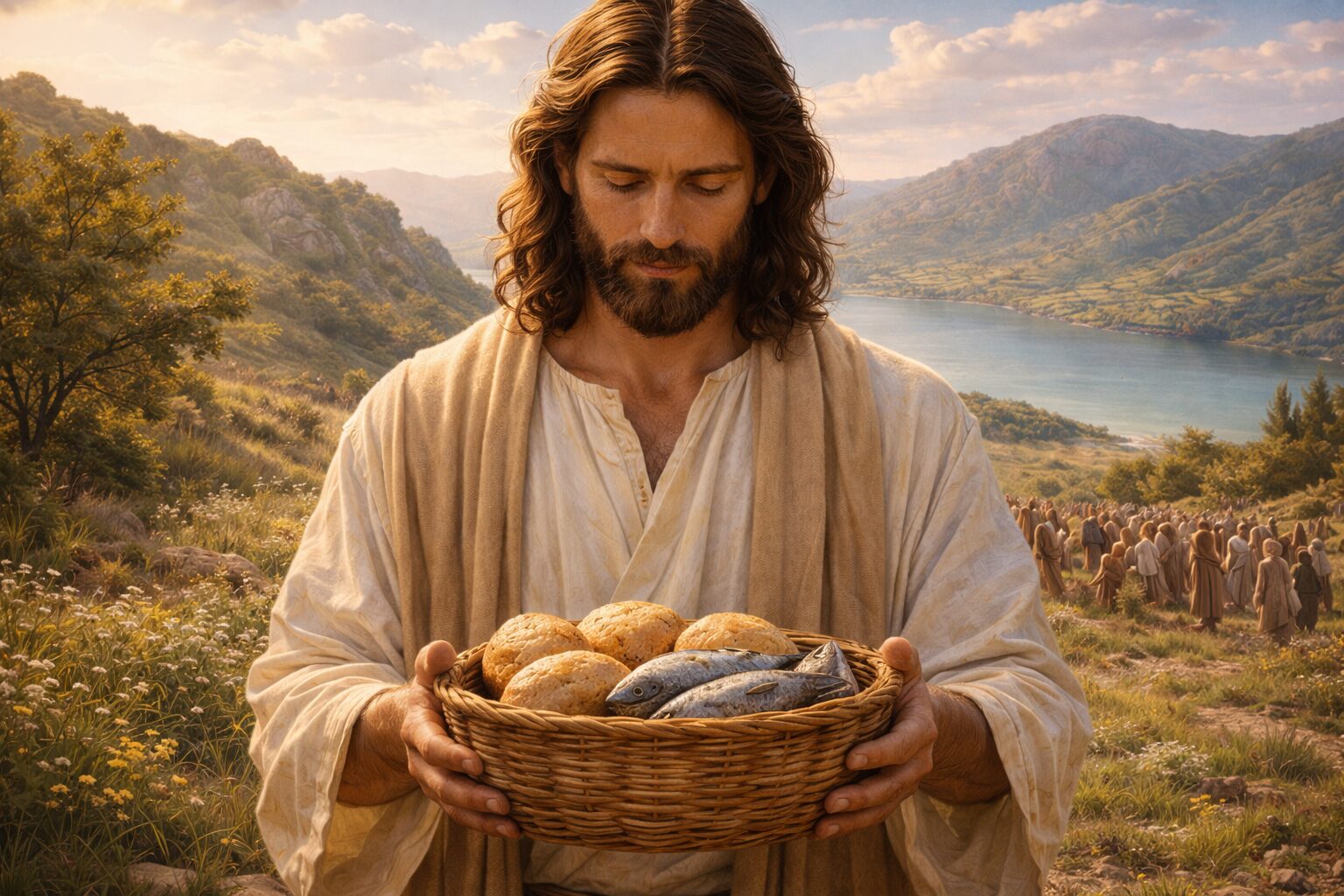
In John 6, we see a powerful example of God’s provision and stewardship through the miracle of Jesus feeding the five thousand. This moment is not just about a miracle. It reveals how God provides, multiplies, and expects us to manage what He gives.
At the beginning of the chapter, Jesus had become widely known because of His miracles. As a result, large crowds followed Him to a mountainside near the Sea of Galilee. They came with expectation, but they also came with need.
Seeing the crowd, Jesus asked Philip how they would feed everyone. However, Scripture tells us that Jesus already knew what He was going to do. This question was not about logistics. It was about revealing something deeper.
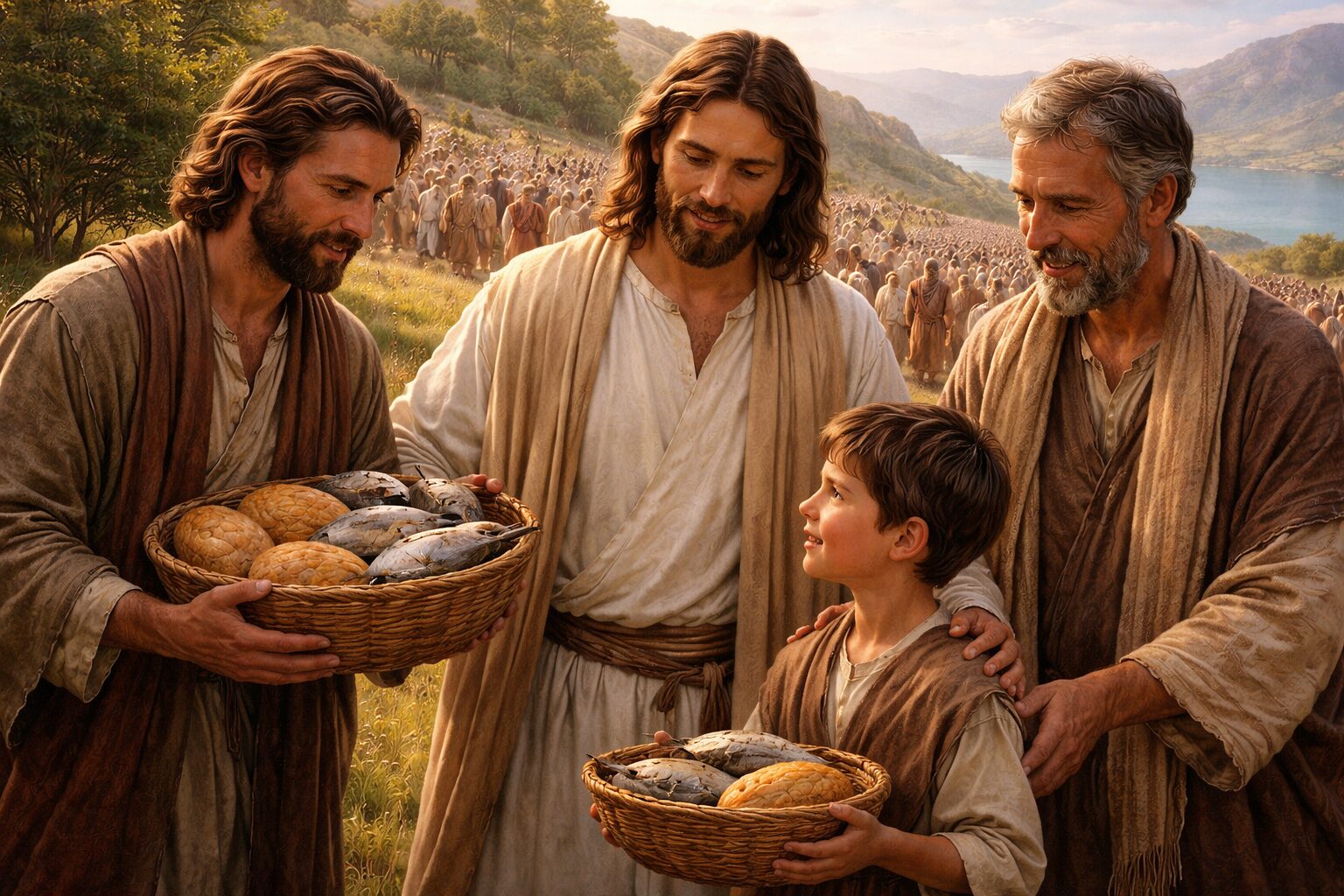
Soon after, Andrew pointed out a boy who had five loaves of bread and two fish. From a human perspective, it was not enough. In fact, it seemed insignificant compared to the size of the crowd. Yet, this small offering became the starting point for something extraordinary.
God Multiplies What We Offer
One of the clearest lessons from this passage is that God can multiply even the little we have. The boy’s lunch did not look like much, but when placed in Jesus’ hands, it became more than enough.
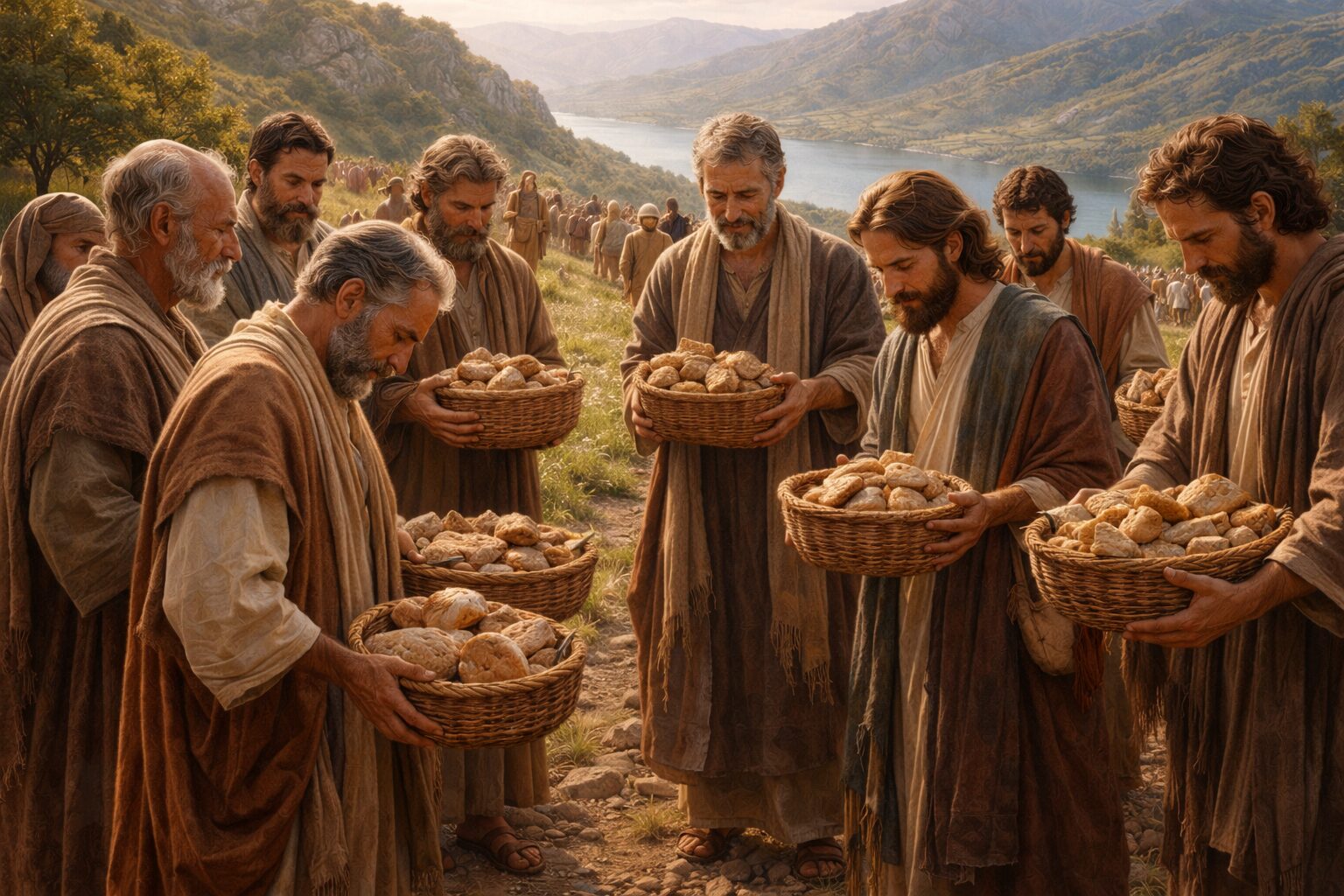
Jesus took the loaves, gave thanks, and distributed them to the people. He did the same with the fish. Everyone ate and was filled. Not only that, but the disciples gathered twelve baskets of leftovers afterward.
This shows us something important. God’s provision is not limited by our resources. Instead, it is often revealed through our willingness to trust Him.
We see this same pattern throughout Scripture. For example, in 1 Kings 17, the widow of Zarephath had only a small amount of flour and oil. Yet, when she obeyed God’s instruction through Elijah, her supply never ran out. Similarly, in 2 Kings 4, another widow experienced multiplication when her small jar of oil filled many containers, allowing her to pay off her debt.
When we place what we have in God’s hands, He can do far more with it than we could ever imagine on our own.

God Provides for Every Need
Another key truth revealed in John 6 is that God provides for every need. The crowd did not fully understand who Jesus was, but He still cared for them. He met their physical need for food while also pointing to a deeper spiritual reality.
This reminds us that God is attentive to both our practical and spiritual needs. He is not distant or unaware. Instead, He sees, knows, and provides in ways we may not always anticipate.
Sometimes we expect God’s provision to look immediate and complete. We want the full answer right away. However, in many cases, God starts with something small on purpose.
In John 6, the miracle did not begin with abundance. It began with a boy’s small lunch. That was all there was. Yet, that small beginning became the foundation for a great miracle.
In the same way, God may start you with a small opportunity, limited resources, or a simple step of obedience.
At first, it may not seem like enough. However, as you trust Him and remain faithful, you begin to see His provision unfold. Over time, you realize that He has been guiding, supplying, and multiplying all along.
Even in difficult seasons, we can trust that God is working behind the scenes. He may use unexpected means to provide, just as He did in the stories of Elijah and Elisha.
Scripture Reflection
God’s provision does not always arrive all at once. Sometimes He begins with what feels small so that we can learn to trust Him, walk in obedience, and recognize His hand more clearly along the way.
Stewardship: Managing God’s Abundance Wisely
While the miracle in John 6 clearly shows God’s provision, it also points to something just as important: how we handle what He provides. After everyone had eaten, Jesus told His disciples to gather the leftovers so that nothing would be wasted. Even in a moment of abundance, there was intentional care and order.
This reminds us that God’s blessings are not meant to be treated casually. They are entrusted to us. Stewardship is the faithful management of what God has placed in our hands, including our finances, time, relationships, and opportunities.
It is easy to assume that once God provides in abundance, the need for careful management fades. However, this passage shows the opposite. Abundance does not remove responsibility. It deepens it. What we receive from God should be handled with gratitude, awareness, and purpose.
As a result, our perspective begins to shift. We no longer see what we have as something we own, but as something we have been entrusted with. And with that trust comes the call to manage it in a way that honors God and reflects His heart.
Living as a Faithful Steward
If everything belongs to God, then we are simply stewards of what He has given. This includes our homes, careers, families, and resources. Because of this, we are called to manage these things with sincerity and purpose, aligning our lives with His will.
Stewardship goes beyond responsibility. It shapes how we live and what we value. Instead of focusing only on earthly success, we are called to focus on what truly lasts. This means making choices that honor God and serve others, because the ultimate goal is to build treasures in heaven where thieves cannot steal.
At the same time, God does desire for us to experience provision and even prosperity. Scripture reminds us of His care and His plans for our lives. However, these blessings are not meant to shift our focus away from eternity. Instead, they are meant to be held with open hands.
This is why stewardship requires intentionality. It means being mindful of how we spend our time, how we use our resources, and how we respond to opportunities. As we do this, our perspective begins to change. We learn to hold loosely to temporary things while placing greater value on what lasts forever.
Over time, this mindset transforms the way we live. We begin to see every blessing not as something to own, but as something entrusted to us for a greater purpose.
A Practical Reflection on God’s Provision and Stewardship
When we reflect on John 6, we see a complete picture. God provides. He multiplies. And He calls us to steward what He gives.
This means that our role is not just to receive, but also to manage wisely.
What might this look like in everyday life? It may mean being more intentional with your finances. It may mean using your time more purposefully. It may mean recognizing that even small things can be used by God in powerful ways.
Most importantly, it means trusting God fully while remaining faithful in what He has placed in your hands.
Conclusion: Trust, Multiply, and Steward Well
The story of Jesus feeding the five thousand is more than a miracle. It is a lesson in God’s provision and stewardship.
First, we learn that God can provide for every need. Second, we see that He can multiply even the smallest offering. Finally, we understand that He expects us to manage His blessings with care.
As you move forward, take a moment to reflect. What has God placed in your hands? Are you trusting Him to multiply it? Are you stewarding it well?
When we trust God with what we have and manage it faithfully, we position ourselves to experience both His provision and His purpose.
Final Reflection
God’s provision and stewardship are deeply connected. He provides, He multiplies, and He entrusts. What we do with what He gives matters.
As you reflect on John 6, remember this: what may seem small in your hands can become significant in God’s hands. And what God multiplies, He also calls you to manage with care.
Stay faithful in what you have. Trust Him for what you need. And steward every blessing with purpose.
Read more faith-building reflections at walkingwiththelord.net, and for marriage and family encouragement, visit blissfullywedded.com.
Leave a Reply