
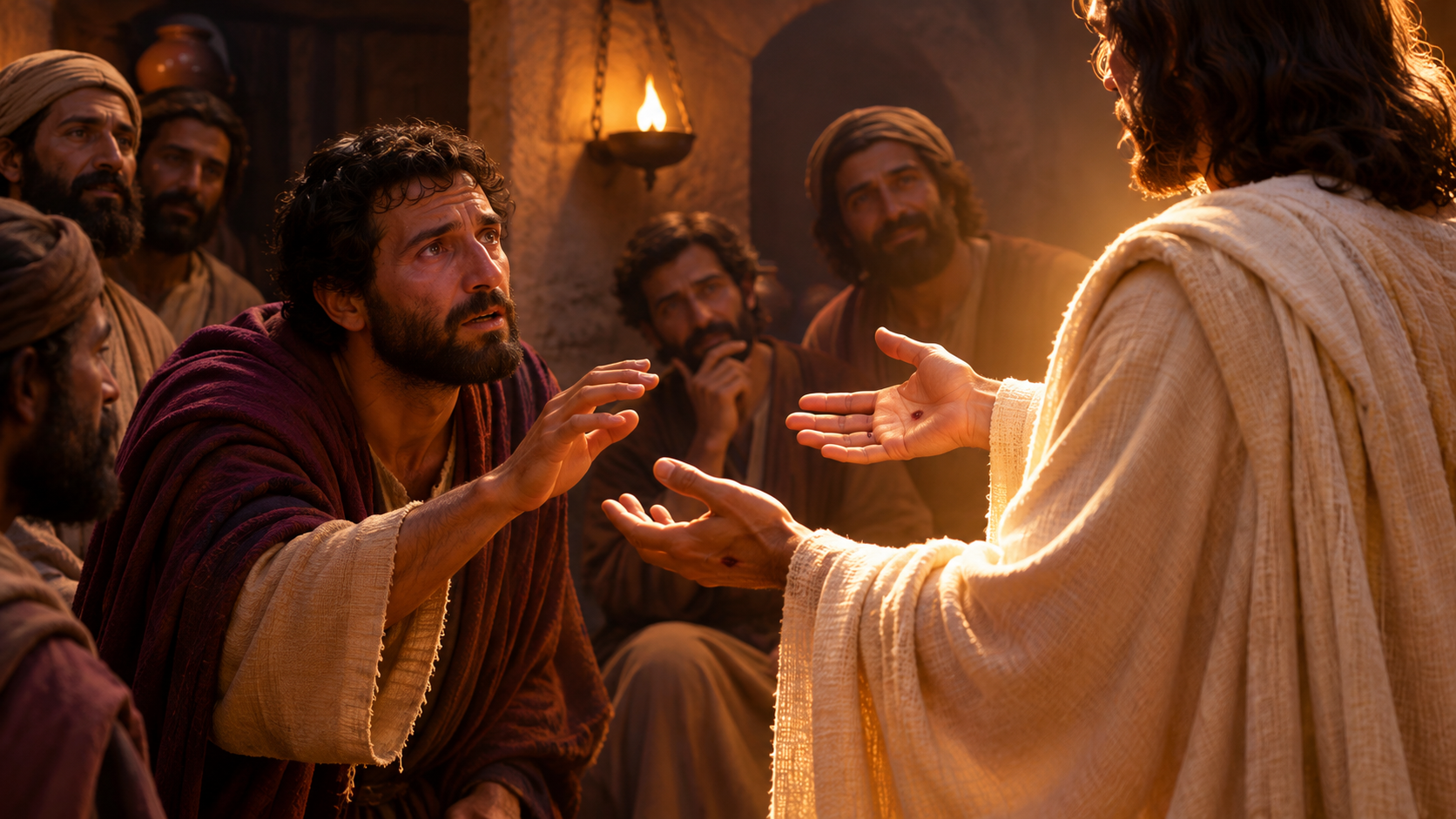
Doubting Thomas is the nickname history gave one of the twelve, yet John 20 tells a much richer story. In this final part of our series, we look at what Thomas teaches us about believing, having faith, and why both matter. If you are just joining us, start with Part 1 at the empty tomb.
Doubting Thomas in John 20:24-29
Thomas was not with the others when Jesus first appeared. When they told him they had seen the Lord, he wanted proof. He would only believe after touching the nail marks and the wound in His side.
A week later, Jesus appeared again and invited Thomas to touch His wounds. “Stop doubting and believe,” He said. At once, Thomas exclaimed, “My Lord and my God!” Then Jesus spoke words meant for all of us: blessed are those who have not seen and yet have believed (John 20:29).
Was It Really a Lack of Faith?
Hebrews 11:1 defines faith as confidence in what we hope for and assurance about what we do not see. So can we call his doubt a lack of faith? Looking at his whole story, I don’t believe so.
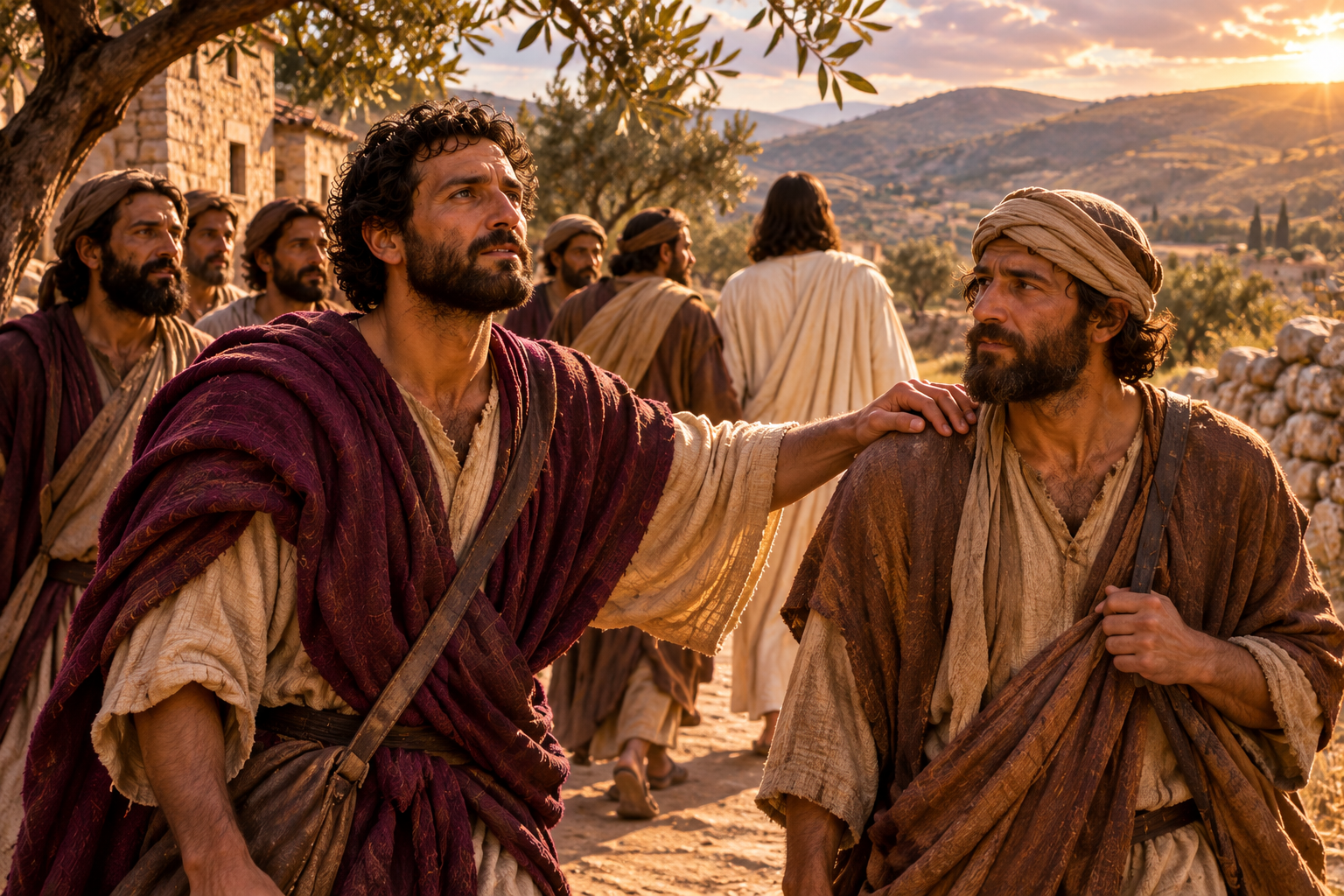
When Jesus chose to return to Judea despite threats on His life, Thomas said, “Let us also go, that we may die with Him” (John 11:16). Clearly, this man was dedicated enough to follow Jesus into death. Later, he openly asked Jesus where He was going (John 14:5). Thomas was simply a literal person who never hid his need for understanding. In other words, doubting Thomas had a belief problem, not a faith problem, and Jesus met him right there.
Believing and Faith: What Is the Difference?
To believe is to have confidence in the truth, and for us that truth is John 3:16. Belief accepts who God is. Faith, on the other hand, relies on Him to do what seems impossible. Belief can exist without faith, but faith cannot exist without belief.
Many Christians believe Jesus is Lord. The challenge comes when we must depend on Him for something specific. We believe God can do all things, but do we have faith that He will do it for us?
The story of doubting Thomas reminds us that doubt can happen to every believer, since we are wired to see before we believe. That is exactly why we pray. When we pray, we ask the Father for what we cannot see but know He can provide. My God shall supply all your needs according to His riches in glory by Christ Jesus (Philippians 4:19). So whatever you need today, take it to Him with thanksgiving (Philippians 4:6).

The Three Dimensions of Faith
Faith grows through three dimensions working together.
Belief. Anyone who comes to God must believe that He exists and that He rewards those who earnestly seek Him (Hebrews 11:6). This is the first step.
Obedience. Hebrews 11 lists people from Noah through the prophets, and the thread connecting them all is obedience. Obedience means following God’s direction even when it makes no sense in the moment, because to obey is better than sacrifice (1 Samuel 15:22). We cultivate it by reading, studying, and applying His word. As James 1:22 urges, do not merely listen to the word; do what it says. Through obedience we experience God for ourselves, and those experiences ground our belief in how reliable He is.
Trust. Trust is a firm belief in the reliability and strength of someone. You can pray, study, and obey and still lack faith if you do not trust God. Trust in the Lord with all your heart, and He shall direct your paths (Proverbs 3:5-6). Those who trust Him are like Mount Zion, which cannot be shaken (Psalm 125:1).
Picture it this way: belief and obedience build trust, and trust produces a living faith. After all, faith without works is dead (James 2:26). Trust is not built overnight; it is a journey.
Why John Wrote It All Down
John 20:30-31 reveals the purpose of the entire gospel. Jesus performed many other signs that were not recorded, but these were written so that we may believe He is the Messiah, the Son of God, and have life in His name. Every miracle was intentional, and so was every encounter in this chapter.
One Risen Lord, Three Encounters
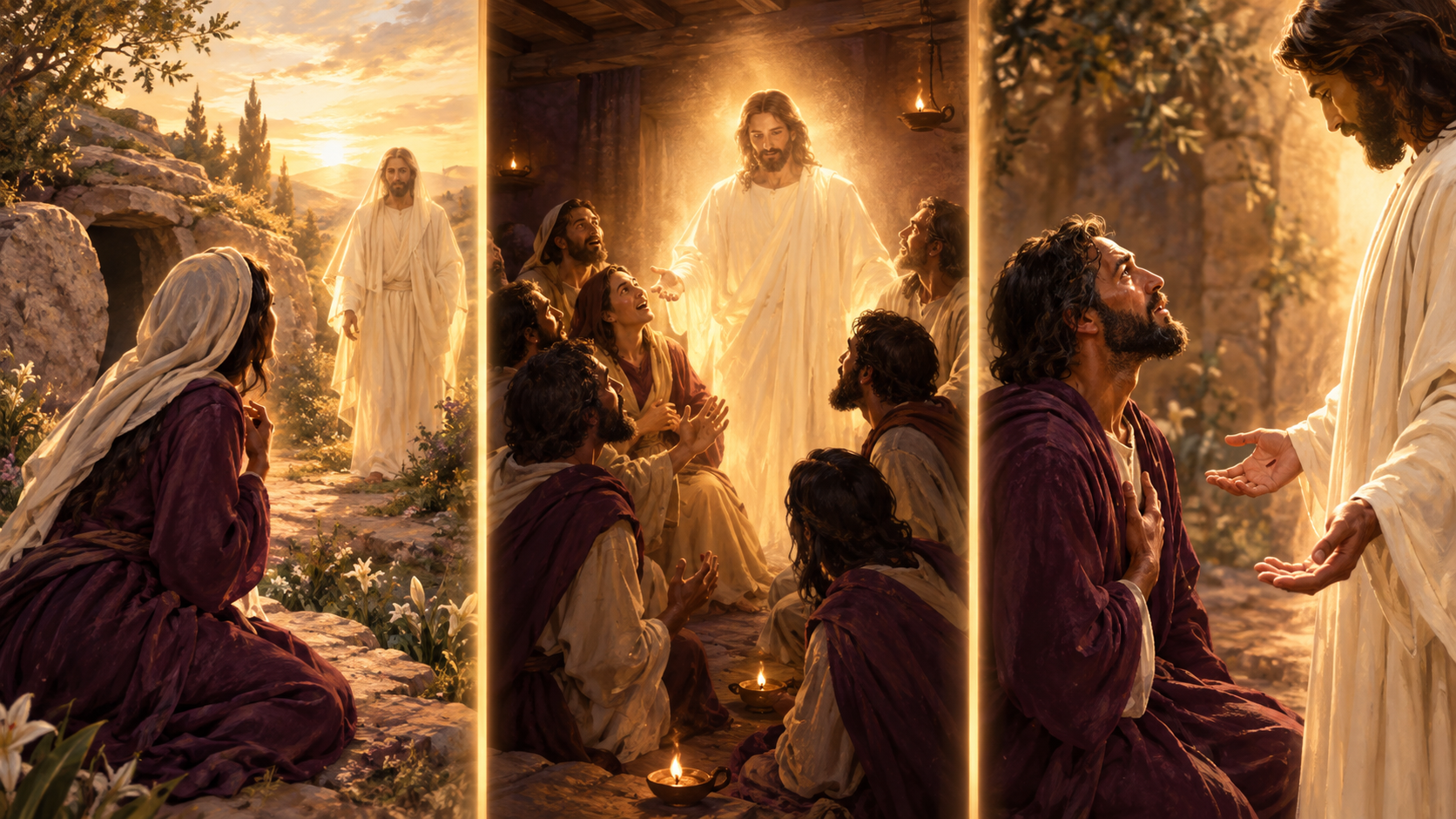
When you step back and look at John 20 as a whole, a beautiful pattern appears. In one chapter, the risen Jesus meets three very different kinds of people, and He meets each of them exactly where they are.
First, He met Mary in her grief. She stood weeping at an empty tomb, and He called her by name.
Next, He met the disciples in their fear. They were hiding behind locked doors, yet He spoke peace over them, breathed His Spirit on them, and gave them the power to forgive sins.
Finally, He met Thomas in his doubt. Instead of rejecting him, Jesus held out His scarred hands and invited him to see for himself.
Grief, fear, and doubt. These are the same places many of us find ourselves today. Yet notice what happened in every story: nobody stayed where Jesus found them. Mary went from weeping to proclaiming, “I have seen the Lord!” The disciples went from hiding to being sent. Thomas went from questioning to declaring, “My Lord and my God!”
That is the heart of this chapter, and it is exactly why John wrote it down, so that you, too, may believe and have life in His name. Whether you are grieving like Mary, afraid like the disciples, or wrestling with questions like doubting Thomas, the risen Jesus has not changed. He still calls you by name. He still speaks peace into locked rooms. And He still meets honest questions with open hands.
So bring Him whatever you are carrying today. You may not have seen Him with your eyes, but you are among the ones He called blessed: those who have not seen and yet believe.
A Prayer for Today
Lord Jesus, thank You for meeting me wherever I am, in my grief, my fear, and my doubt. Call me by name, fill me with Your peace, and help me trust You more. Teach me to walk by faith, not by sight. Amen.
For more faith-based Bible teachings and devotionals, visit walkingwiththelord.net, and for marriage and family encouragement, visit blissfullywedded.com.
Leave a Reply