
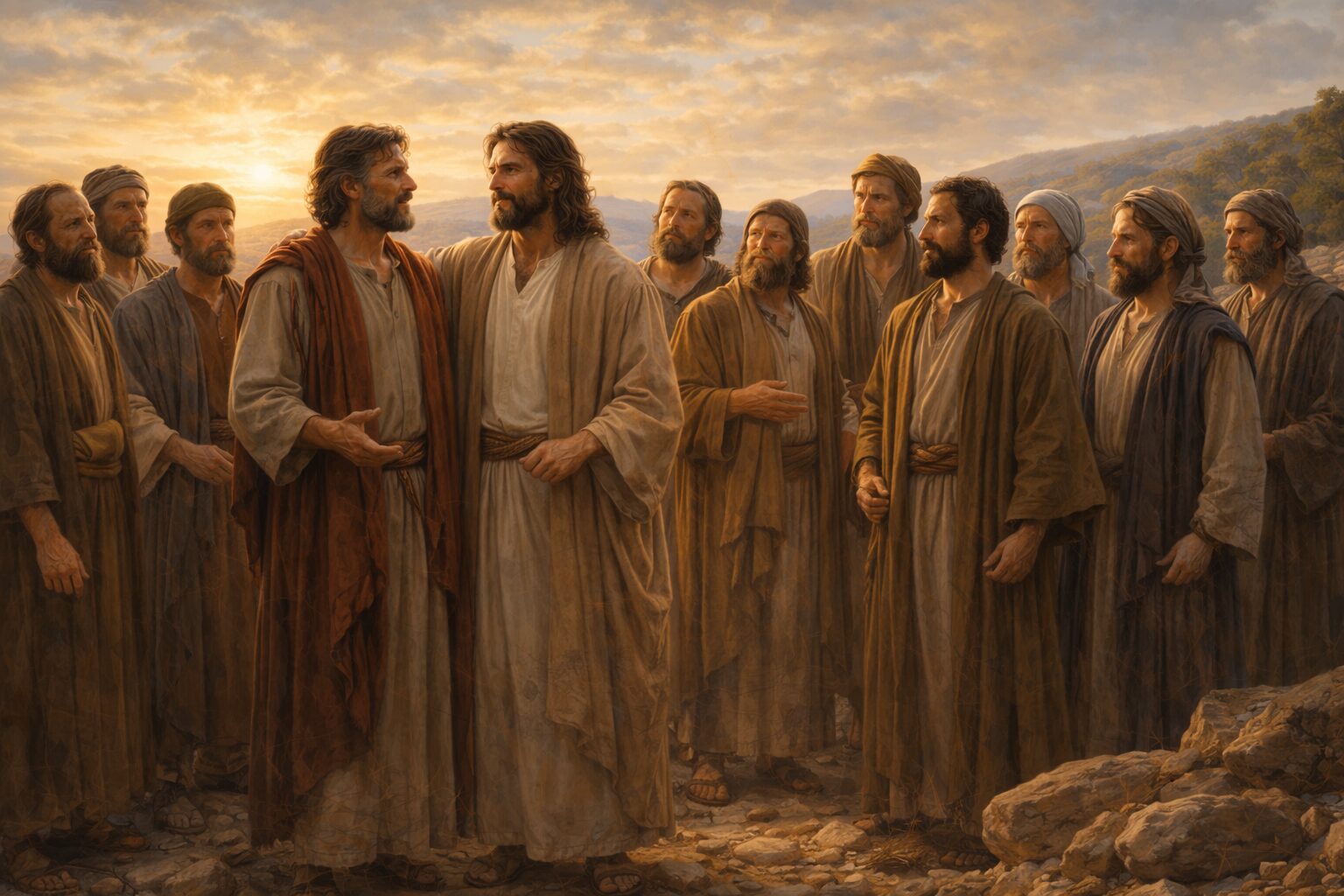
Peter the disciple is one of the most recognizable and relatable figures in the New Testament. Among the twelve men who followed Jesus, Peter’s journey stands out because it is filled with moments of bold faith, human weakness, deep devotion, and powerful restoration. Because of this, the story of Peter the disciple often reflects the spiritual growth many believers experience in their own walk with God.
Peter was not perfect. In fact, he often spoke too quickly, acted impulsively, and sometimes struggled with doubt. Yet despite these weaknesses, Jesus chose him, shaped him, and eventually used him to help lead the early church.
When we examine the life of Peter the disciple, we see an encouraging truth: God does not require perfection. Instead, He works through willing hearts that are open to transformation.
The Calling of Peter the Disciple
Before meeting Jesus, Peter was known as Simon. He worked as a fisherman along the Sea of Galilee with his brother Andrew. Fishing was not just a job; it was a demanding lifestyle that required patience, strength, and perseverance.
One day, Jesus approached Simon and Andrew while they were casting their nets. Instead of offering them a new fishing technique, Jesus gave them a completely new direction.
In Matthew 4:19, Jesus said: “Follow me, and I will make you fishers of men.”
Immediately, they left their nets and followed Him.
This moment marks the beginning of the journey of Peter the disciple. What makes this calling remarkable is its simplicity. Jesus did not recruit religious experts or political leaders. Instead, He called ordinary people who were willing to trust Him.
Peter responded without hesitation. That decision would change the course of his life.
Peter’s Bold Faith
Throughout the Gospels, Peter the disciple often appears as the most outspoken of the twelve apostles. His bold personality sometimes led him to remarkable acts of faith.
One well-known example occurs in Matthew 14 when the disciples saw Jesus walking on water during a storm. While the others remained in the boat, Peter responded differently.
He said, “Lord, if it is you, command me to come to you on the water.”
Jesus simply replied, “Come.”
Peter stepped out of the boat and began walking toward Jesus across the water. For a moment, he experienced something miraculous.
However, when he noticed the strong wind and waves, fear replaced his confidence. He began to sink and cried out for help.
Immediately Jesus reached out His hand and saved him.
This moment reveals both the strength and weakness of Peter the disciple. On one hand, he had the courage to step out in faith. On the other hand, he struggled when fear distracted him.
Yet Jesus did not reject Peter. Instead, He helped him grow.
The Confession That Revealed Peter’s Faith
Another defining moment in the life of Peter the disciple occurred when Jesus asked His followers an important question.
“Who do you say that I am?” (Matthew 16:15)
Peter answered with conviction:
“You are the Christ, the Son of the living God.”
This declaration demonstrated spiritual understanding and deep belief. Jesus responded by affirming Peter’s insight and revealing that this truth came from God.
Then Jesus said something powerful:
“On this rock I will build my church.”
Although interpretations vary regarding the meaning of this statement, the moment clearly shows that Peter played an important role in the foundation of the early Christian community.
Peter’s confession reminds believers today that faith begins with recognizing who Jesus truly is.
Peter’s Greatest Failure
Despite his devotion, Peter the disciple also experienced one of the most painful failures recorded in Scripture.
On the night Jesus was arrested, Peter insisted that he would never abandon his Lord. He confidently declared that he was willing to die with Jesus if necessary.
However, Jesus warned him that before the rooster crowed, Peter would deny Him three times.
Later that same night, while Jesus was being questioned, Peter stood nearby in the courtyard. Several people recognized him as one of Jesus’ followers.
Fear overtook him.
Three times Peter denied knowing Jesus.
When the rooster crowed, Peter remembered Jesus’ words and realized what he had done. Overcome with sorrow, he went away and wept bitterly.
This moment reveals the humanity of Peter the disciple. Even someone who loved Jesus deeply could still fall under pressure.
Yet failure was not the end of Peter’s story.
Jesus Restores Peter
After the resurrection, Jesus appeared to the disciples by the Sea of Galilee. During this meeting, Jesus addressed Peter directly.
Three times Jesus asked him:
“Do you love me?”
Each time Peter answered yes.
Then Jesus responded with a simple instruction:
“Feed my sheep.”
This conversation mirrored Peter’s earlier three denials. In a compassionate way, Jesus restored Peter and reaffirmed his calling.
The restoration of Peter the disciple teaches an important spiritual lesson. God’s grace is greater than our mistakes. When we return to Him with humility, He restores and renews us.
Peter was not disqualified by his failure. Instead, he was strengthened through it.
Peter’s Leadership in the Early Church
After Jesus ascended into heaven, Peter the disciple emerged as a central leader among the early believers.
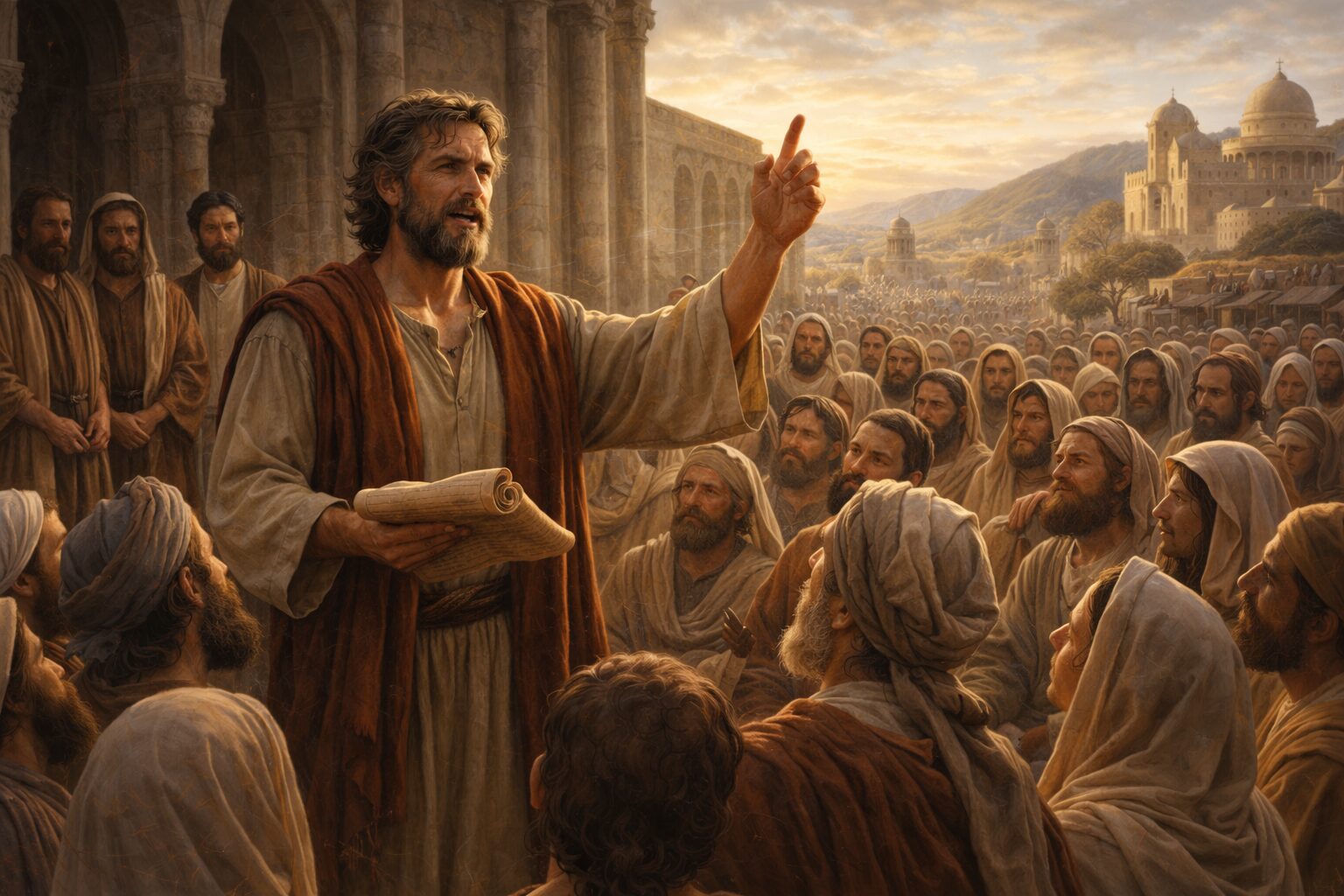
In the book of Acts, Peter boldly preached the message of Jesus to the crowds in Jerusalem. On the day of Pentecost, his sermon led thousands of people to faith.
The same man who once denied Jesus now spoke publicly with courage and conviction.
Peter also performed miracles, encouraged believers, and helped guide the growing church through challenges and persecution.
Eventually, Peter became known as one of the foundational leaders of Christianity.
His transformation is powerful. The fisherman who once struggled with fear became a faithful shepherd of God’s people.
What We Can Learn From Peter the Disciple
The life of Peter the disciple offers several lessons for believers today.
First, God often calls ordinary people to extraordinary purposes. Peter did not begin as a religious expert. He was simply willing to follow Jesus.
Second, faith sometimes involves stepping out of the boat. Growth requires trust, even when the situation feels uncertain.
Third, failure does not have to define your story. Peter’s denial could have ended his journey. Instead, God used it to deepen his humility and strengthen his faith.
Finally, spiritual maturity is a process. Peter did not become a leader overnight. Over time, Jesus shaped his character and prepared him for greater responsibility.
“God does not choose perfect people. He transforms willing ones.”
Scripture Reflection
Luke 22:32
“But I have prayed for you, that your faith may not fail. And when you have turned again, strengthen your brothers.”
Reflection:
Even before Peter failed, Jesus prayed for his restoration. This reminds us that God already sees our weaknesses and prepares a path for renewal.
Conclusion
The story of Peter the disciple is a story of transformation. From fisherman to follower, from failure to faithfulness, Peter’s life demonstrates the power of God’s grace.
His journey reminds us that spiritual growth often includes mistakes, lessons, and restoration along the way.
However, when we continue to follow Jesus with sincere hearts, God can shape our weaknesses into strength and our failures into testimony.
Like Peter, we are invited to trust Christ, grow through the process, and allow Him to lead us into a life of faith and purpose.
Continue walking faithfully and growing deeply in His Word at walkingwiththelord.net, and for family and marriage encouragement, visit blissfullywedded.com.
Leave a Reply