

God’s journey with Moses shows us what it truly looks like to walk with Him over time. When we hear the word prophet, it can feel distant, and we imagine someone spiritual, bold, and unshaken, someone nothing like us. But when we slow down and really look at Scripture, the first prophet does not fit that image at all. The prophetic journey begins with a man who was unsure of himself, shaped by fear, and deeply aware of his limitations. His name was Moses.
Moses’ story matters because it feels familiar. His life reminds us that God often works through ordinary people who feel unqualified, delayed, or unsure. Before Moses ever spoke on God’s behalf, he spent years wondering if his life still had purpose. And it was in that place, quiet, hidden, and unremarkable, that God met him.
Moses’ Background: What God’s Journey With Moses Teaches Us
Moses was born into danger. His people were suffering under slavery, and fear ruled the land. From the beginning, his life was uncertain. He survived only because his mother trusted God enough to release him into His care.
Moses grew up in Pharaoh’s palace, surrounded by comfort and opportunity, yet he carried a deep sense of not belonging. He was raised with privilege, but his heart knew a different truth. He lived between two identities, never fully settled in either one.
Eventually, that inner tension surfaced. When Moses saw injustice, he acted in anger. He tried to fix a wrong with his own strength, and it ended in failure. What he thought might be the beginning of purpose became the reason he ran away.
Moses fled to the wilderness, leaving behind everything familiar. For many years, nothing about his life looked important. He was not leading. He was not speaking. He was simply tending sheep. To anyone watching, it might have looked like his story was over. But God had not finished with him.

Moses’ Character: Feeling Unqualified Does Not Stop God
When God eventually called Moses, Moses did not feel ready. In fact, he felt the opposite. He remembered his past mistakes. He focused on his weaknesses. He believed others would be more capable than him.
Moses questioned God openly. He doubted himself. He hesitated. This was not rebellion, it was honesty. And God did not turn away from it.
That is one of the most comforting parts of Moses’ story. God was not offended by Moses’ fear. He did not withdraw the call. Instead, He stayed and spoke patiently, reminding Moses that the journey would not depend on Moses’ strength alone.
As we reflect on God’s journey with Moses, his life shows us that He does not wait for confidence before He calls us. He meets us in our uncertainty and walks with us as we grow.
The Encounter: God Meets Moses Where He Is
God did not call Moses in a grand or public moment. He spoke while Moses was doing ordinary work. A burning bush caught Moses’ attention, and when he stopped to look, God spoke.
God did not rush Moses. He listened to his questions. He answered his fears. He promised His presence. The call was not just about what Moses would do, it was about who God would be with him.
This moment reminds us that God often speaks when we slow down enough to notice. He meets us in ordinary places and invites us into something greater than ourselves.
What God Did Through Moses
Once Moses stepped forward in obedience, God began to work through him in powerful and lasting ways. Moses did not suddenly become fearless or confident, but God’s power was made visible through his willingness.
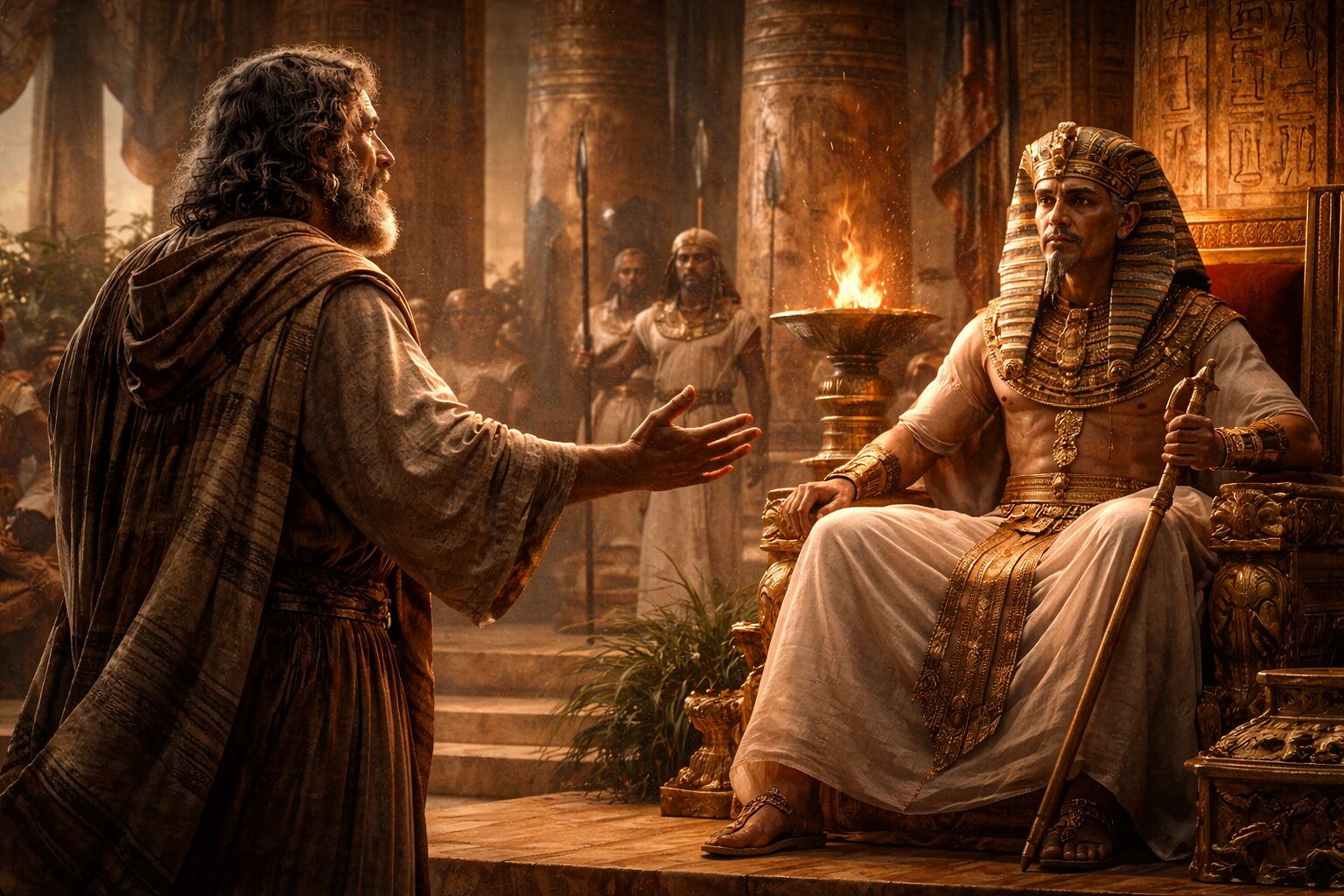
God used Moses to confront Pharaoh, a ruler who believed himself untouchable. Each time Moses returned to Pharaoh, it was not Moses’ strength on display, but God’s authority. Through signs and wonders, God revealed that He alone was Lord.
God brought His people out of slavery through Moses. When the Israelites stood trapped between the Red Sea and the Egyptian army, fear filled the air. Yet God made a way where none seemed possible. The sea was parted, and the people walked through on dry ground.
In the wilderness, God continued to work through Moses. Water flowed from rocks. Bread fell from heaven. Direction was given day by day. Even when the people complained, doubted, or rebelled, God remained faithful.
God also used Moses to give His law. This was not simply a list of rules. It was God showing His people how to live close to Him. Through Moses, God invited the Israelites into covenant relationship.
In addition to leading and delivering the people, God used Moses as a writer. Through him, the first five books of Scripture were recorded. These books tell the story of creation, God’s covenant, human failure, and God’s faithfulness. They reveal who God is and how He desires to walk with His people.
Moses was not only a leader and prophet, he was a witness. God trusted him to record His works, His words, and His ways so future generations could know Him.
Through every miracle, every command, and every written word, one truth remained clear: the power was never in Moses. It was always in God.

Moses’ Failures, Growth, and the Cost of Obedience
Moses’ life was not a steady climb of success. Alongside obedience and faith, there were real failures, hard lessons, and painful consequences. These moments do not weaken his story. They make it more honest and more relatable.
One of Moses’ earliest failures came from acting too quickly. When he killed the Egyptian out of anger, he tried to bring justice without waiting on God. That decision forced him into years of hiding. Yet even this failure became part of God’s shaping process. The wilderness slowed Moses down. It taught him humility and patience. What was rushed in Egypt was refined in Midian.
Later, as a leader, Moses struggled with frustration. The constant complaints of the people wore him down. At times, his anger overtook his obedience. One of the most painful moments came when God instructed Moses to speak to a rock so water would flow. Instead, Moses struck the rock in anger. Water still came, but the act carried a consequence.
Because of this disobedience, Moses was not permitted to enter the Promised Land. This moment reminds us of a sobering truth: God is gracious, but obedience still matters. Even faithful servants face consequences when they act outside of God’s instruction.
Yet Moses’ story does not end in rejection. God did not abandon him. Moses continued to walk closely with God. He was allowed to see the Promised Land from a distance. He remained a trusted servant. His relationship with God was not erased by failure.
Moses overcame his failures not by becoming perfect, but by remaining repentant. He listened when God corrected him. He continued to intercede for the people. He kept walking, even when the cost was heavy.
What Moses Teaches Us About Our Own Walk With God
Moses teaches us that failure is not the end of the journey. Acting too soon, reacting in anger, or struggling with obedience does not mean God is finished with us.
His life shows us that God can redeem mistakes and still accomplish His purposes. At the same time, it reminds us that obedience matters deeply. God’s grace does not remove responsibility, but it does sustain relationship.
Most of all, Moses shows us a God who walks with His people through both victory and consequence. God does not leave when the journey becomes painful. He remains present, teaching, correcting, and guiding.
As this series continues, Moses leaves us with a balanced and hopeful truth: God works through imperfect people, but He also calls us to trust Him fully, even when obedience is hard.
And just as God walked with Moses through failure, growth, and consequence, He continues to walk with us today.
Takeaways From Moses’ Journey With God
Moses’ life offers us practical and spiritual truths we can carry into our own walk with God. His journey reminds us that faith is not about getting everything right, but about staying close to God through every season.
- God often prepares us in hidden places before using us publicly.
- Feeling unqualified does not disqualify us from God’s purpose.
- God can work powerfully through obedience, even when we feel weak.
- Failure does not end the journey, but it often reshapes it.
- Obedience matters, and our choices can carry real consequences.
- God’s presence does not leave us, even when discipline is needed.
As we reflect on God’s journey with Moses, his story shows us a God who is both gracious and holy, patient with our growth, yet faithful to shape us through correction and love.
Reflection Questions
Take a moment to slow down and reflect on Moses’ journey and your own walk with God.
- Where in your life do you feel unqualified or unsure right now?
- Have there been seasons where waiting felt like delay, but may have been preparation?
- Are there areas where frustration or impatience has made obedience difficult?
- What has God entrusted you with, even if it feels ordinary or unseen?
- How does knowing that God stayed with Moses through failure encourage you today?
Allow these questions to lead you into honest prayer and reflection. God is not asking for perfection, He is inviting you to walk with Him.
Closing Prayer
Lord, thank You for walking patiently with Your people. Thank You for using imperfect lives to display Your faithfulness and power. Help us to trust You in seasons of waiting, obey You even when it is hard, and remain humble when You correct us. Teach us to walk closely with You, just as You walked with Moses. Amen.
A 10 Day Devotional Through Moses’ Journey
If you want to go deeper, use this 10 day devotional guide to walk through Moses’ story slowly. Each day includes a Scripture reading,
a reflective focus, and prompts that help you sit with what God is doing, not just what Moses is doing.
Download the 10 Day Devotional PDF
Daily Reading Plan
- Day 1: A Life Preserved by God
Scripture: Exodus 1–2 - Day 2: Acting Too Soon and Running Away
Scripture: Exodus 2:11–15 - Day 3: The Wilderness Years, Hidden but Not Forgotten
Scripture: Exodus 2:16–25 - Day 4: God Speaks From the Burning Bush
Scripture: Exodus 3–4 - Day 5: Facing Resistance and Obedience Under Pressure
Scripture: Exodus 5–12 - Day 6: Deliverance and the God Who Makes a Way
Scripture: Exodus 13–15 - Day 7: Learning to Trust God Daily in the Wilderness
Scripture: Exodus 16–18 - Day 8: God’s Law and Covenant Relationship
Scripture: Exodus 19–24 - Day 9: Failure, Anger, and God’s Correction
Scripture: Numbers 20:1–13 - Day 10: Finishing the Journey With Faith
Scripture: Deuteronomy 31–34
Move at a steady pace, and do not rush. God often speaks most clearly when we slow down enough to listen.
Walk faithfully. Grow deeply. Listen closely.
Continue your journey at walkingwiththelord.net
For faith-centered marriage encouragement,
visit blissfullywedded.com
Leave a Reply