
Key Passage: John 3:22–36
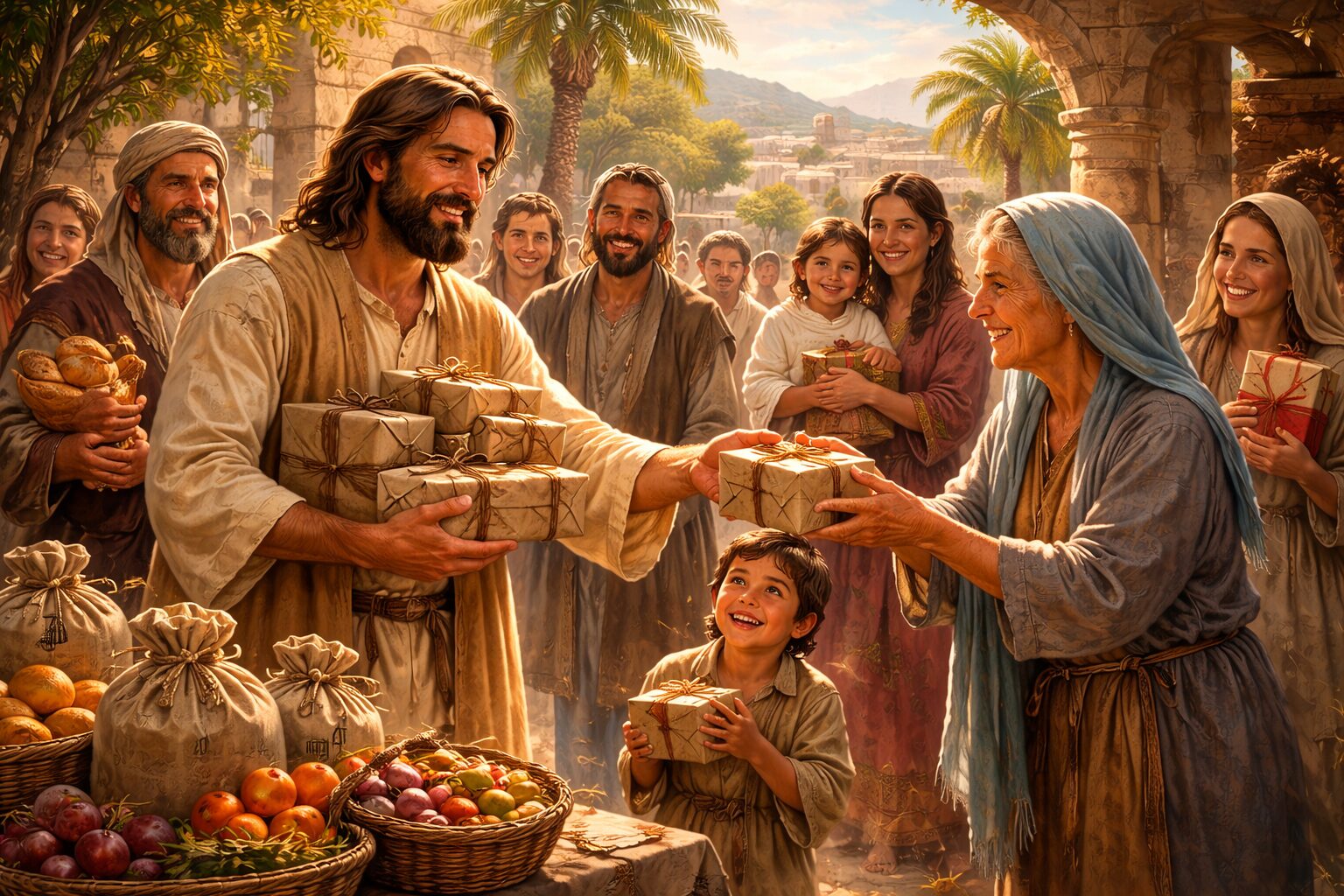
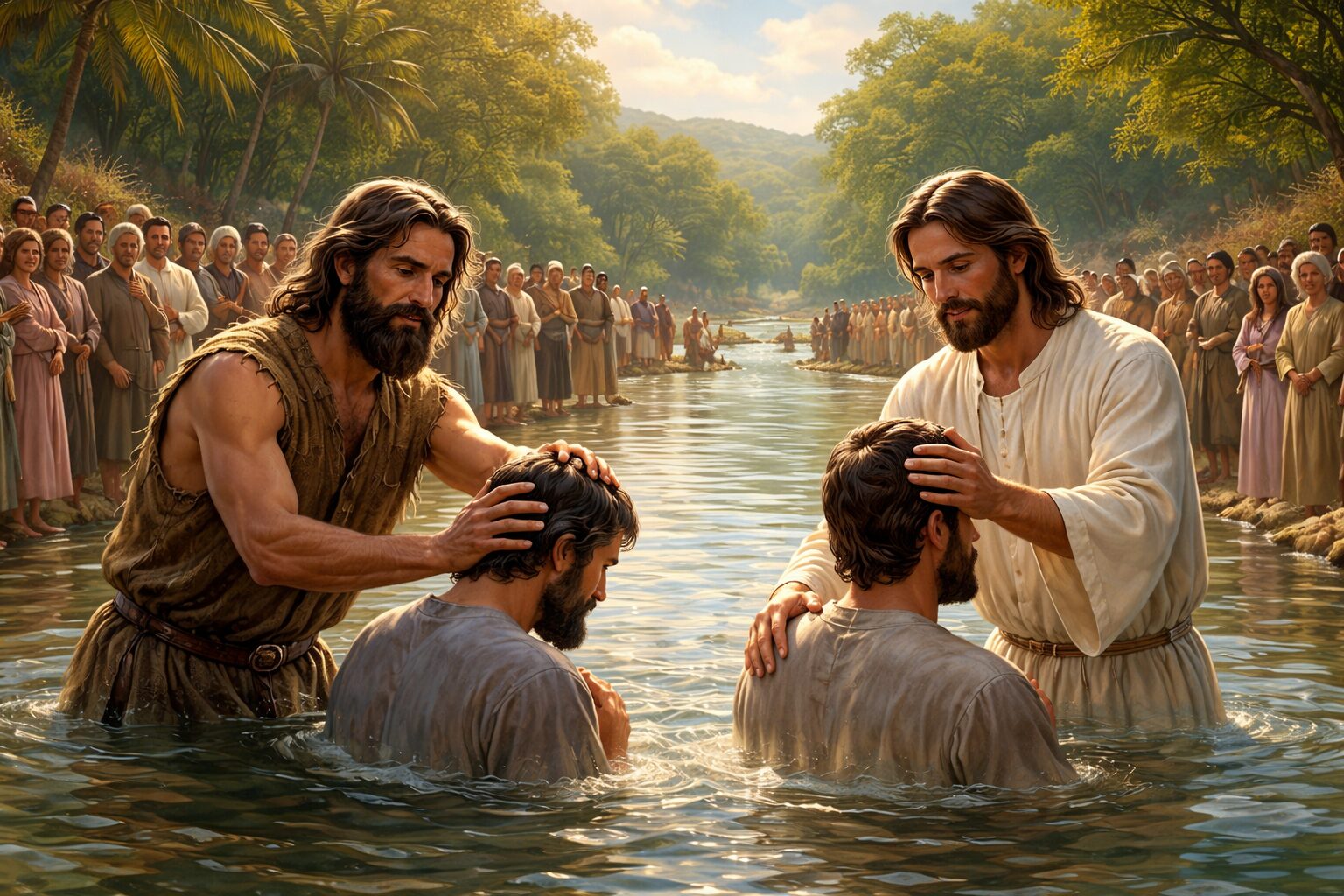
God gives each person a role in His kingdom, and John 3:22–36 shows us a powerful example of how this truth plays out in the ministries of Jesus and John the Baptist. During this time, both Jesus and John were baptizing people. As a result, questions and concerns began to arise among some of John’s disciples. They noticed that more people were beginning to follow Jesus, and naturally they wondered what this meant for John’s ministry.
However, John’s response reveals a powerful spiritual principle. Instead of feeling threatened or competitive, John understood something that many people struggle with today: God gives each person a role in His kingdom. Rather than competing with Jesus, John embraced the purpose God had given him. Therefore, his response teaches us valuable lessons about humility, calling, and faithfulness in the work God assigns.
The Concern of John’s Disciples
John’s disciples approached him with a concern. They noticed that people were now going to Jesus to be baptized, and it seemed as though Jesus’ ministry was growing quickly. At the same time, there were discussions and disagreements about ceremonial washing and religious practices.
From a human perspective, it may have appeared that John was losing influence. After all, he had been the one preparing the way, preaching repentance, and baptizing large crowds. Nevertheless, John did not see the situation through the lens of competition. Instead, he viewed it through the lens of God’s purpose and calling.
His response reminds us that God gives each person a role in His kingdom, and those roles are not meant to compete with one another.
A Person Can Only Receive What Is Given From Heaven
John answered his disciples with a powerful statement:
“A person can receive only what is given them from heaven.” – John 3:27
John recognized that ministry, gifts, influence, and opportunities ultimately come from God. Human effort alone cannot produce what God has not assigned. This truth is deeply important because many people desire positions, influence, or recognition that God may not have called them to pursue. However, desire alone does not equal calling.
Instead, God determines the gifts and assignments given to each person. Therefore, while we may want to accomplish more, our focus should remain on faithfully carrying out what God has entrusted to us.
The Harvest Is Plentiful, but the Workers Are Few
Jesus later affirmed a similar principle when He said:
“The harvest is plentiful, but the workers are few.” – Matthew 9:37
Clearly, God’s kingdom work is vast. There is no shortage of meaningful work to do for God. What God seeks are willing hearts ready to serve. Importantly, serving God is not limited to preaching or standing behind a pulpit. In fact, many people serve God faithfully through acts that may appear small but are deeply valuable in His kingdom.
Some serve by teaching, others by helping. Some lead, while others encourage. Every act done for God carries purpose and significance. Because of this, we must remember that God gives each person a role in His kingdom, and every role contributes to the larger mission.

The Parable of the Talents: Growing What God Gives
Jesus illustrated this principle through the Parable of the Talents in Matthew 25:14–30. In the parable, a master gives different amounts of gold to three servants before leaving on a journey. One servant receives five talents, another receives three, and the third receives one.
Two of the servants invest what they are given and multiply it. However, the servant who received one talent hides it and does nothing with it. When the master returns, the servants who used their gifts are rewarded. Meanwhile, the servant who buried his gift loses what he had.
The parable teaches an important lesson. What matters is not how much we receive, but how we use what God gives us. Some people may begin with greater opportunities or resources, while others may begin with less. Nevertheless, God expects faithfulness from everyone. The focus, therefore, is not comparison but stewardship.
Faithfulness Over Competition
Many people struggle with comparison. They observe what others are doing and begin to question their own purpose. As a result, this often leads to unhealthy competition, the desire for recognition, and the need for approval from others. People may pursue roles they were never called to simply because those roles appear more visible or celebrated.
However, these motivations can distract us from God’s true purpose. John the Baptist provides a powerful example of humility because he clearly understood his mission: to prepare the way for Jesus.
“He must become greater; I must become less.” – John 3:30
This statement reveals John’s deep spiritual maturity. Rather than seeing Jesus as competition, he rejoiced that people were turning to Christ. Ultimately, John understood that his role was never about personal recognition. His role was to point others toward Jesus.

No Role Is Too Small in God’s Kingdom
Another important lesson from this passage is that no role in God’s kingdom is insignificant. John had an important assignment, yet it was different from the role Jesus would fulfill. Even so, John faithfully completed the mission God gave him.
Likewise, each believer has a role to play. Some roles are visible, while others happen quietly behind the scenes. Nevertheless, God values every act of obedience. A simple act of service done with faithfulness can have eternal impact.
For this reason, we must resist the temptation to measure our value by visibility or recognition. Instead, we should measure our faithfulness by obedience to God.
Growing the Gifts God Has Given
Spiritual gifts are not static. Rather, they grow as they are used. Just like any skill, spiritual gifts develop through practice, dedication, and dependence on God. Therefore, when we consistently walk with God and cultivate our relationship with Him, our ability to serve effectively increases.
This process requires patience and surrender. Many people begin operating in their gifts at only a small percentage of their potential. However, through continued obedience and spiritual growth, those gifts expand and mature. The key is maintaining a consistent relationship with God through prayer, Scripture, and surrender.
The Choice to Believe
Finally, John closes his message with a powerful declaration about Jesus:
“Whoever believes in the Son has eternal life, but whoever rejects the Son will not see life, for God’s wrath remains on them.” – John 3:36
This statement reminds us that the ultimate purpose of every ministry, every gift, and every calling is to lead people to Christ. In reality, there are only two responses to Jesus. One can believe and receive eternal life, or one can reject Him and remain separated from God. Therefore, John’s message was always centered on pointing people toward Jesus.
Walking in the Role God Has Given You
John the Baptist’s example reminds us that life in God’s kingdom is not about comparison, competition, or recognition. Instead, it is about obedience. God has given each person unique gifts, opportunities, and responsibilities. When we embrace the role God has assigned to us, we participate in His greater purpose.
Rather than asking how our role compares to others, we should ask a different question: Am I faithfully using what God has entrusted to me?
Because in the end, God gives each person a role in His kingdom, and every faithful act contributes to His eternal work. When we walk in that calling, we discover the fulfillment that comes from doing the will of our Father.
Continue walking faithfully and growing deeply in His Word at walkingwiththelord.net.
For marriage and family encouragement, visit blissfullywedded.com
Leave a Reply