
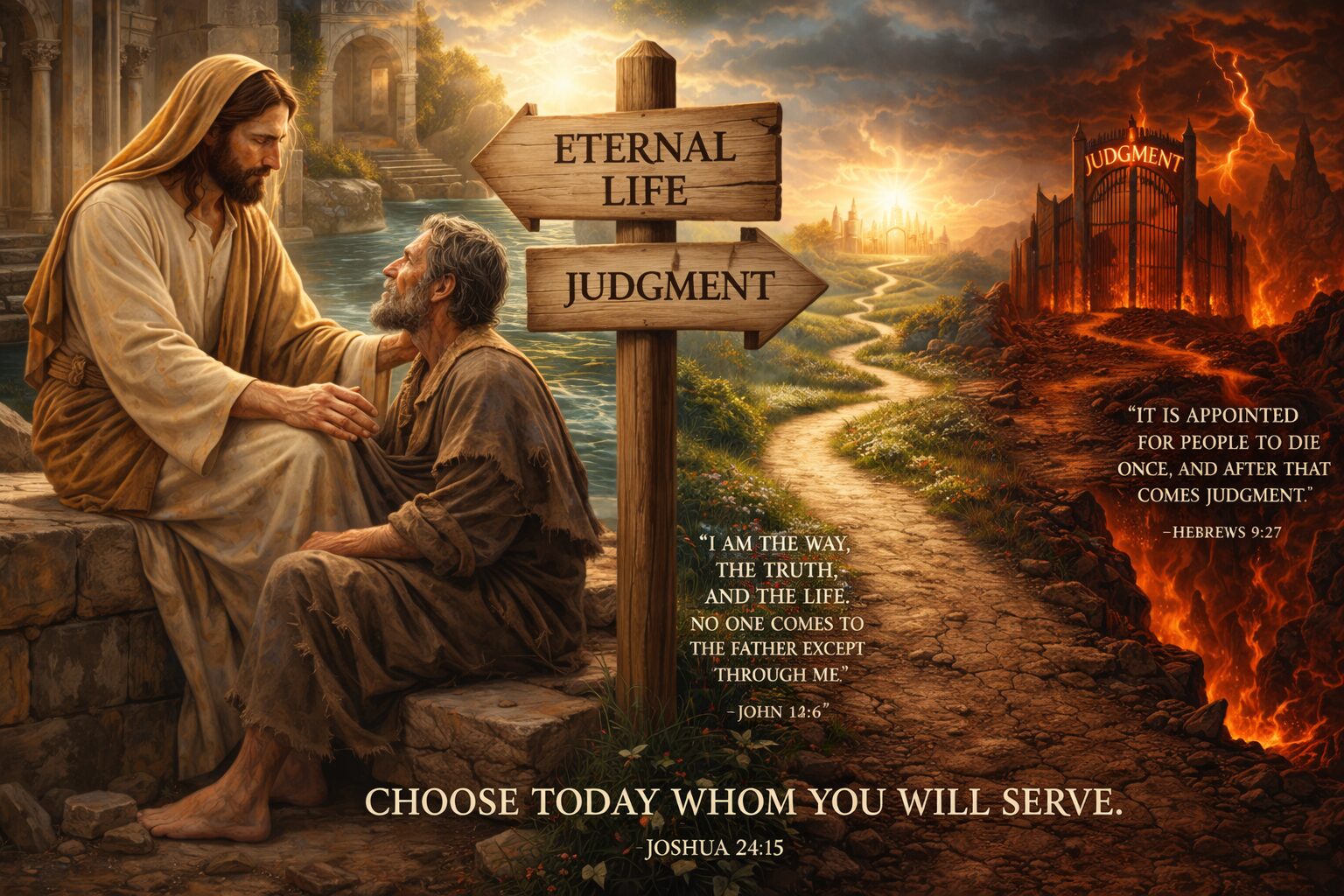
“True worship is not about rules. It is about relationship.”
Introduction
Jesus teachings on authority and true worship in John 5:16-30 reveal a powerful moment where He challenges religious thinking and reveals His divine authority. After healing the man at the pool of Bethesda, Jesus continued to work on the Sabbath despite strong opposition from Jewish leaders. This passage is not just about healing. Instead, it exposes the difference between religious rules and a true relationship with God.
As we walk through this scripture, we begin to see a deeper truth: God’s work is not limited by human traditions, and Jesus came to restore what religion had distorted.
Jesus Continues God’s Work Despite Opposition
After healing the disabled man, Jesus did not stop. In fact, He continued doing what His Father had called Him to do, even though it stirred criticism. The Jewish leaders were not focused on the miracle. Instead, they were focused on the fact that it happened on the Sabbath.
However, Jesus made something very clear. He explained that God is always working, and therefore, He also continues to work. This statement was significant. It revealed that Jesus was not acting independently. Rather, He was aligned with the Father.
Because of this, the leaders became even more upset. Not only did they accuse Him of breaking the Sabbath, but they also recognized that He was claiming equality with God. As a result, their opposition intensified, and they began seeking ways to kill Him.
Religion Versus Relationship
Interestingly, the Jewish leaders missed the heart of what God was doing. While people were being healed, set free, and restored, their focus remained on rules and appearances. They were more concerned with maintaining religious structure than recognizing God’s power at work.
This highlights an important truth. Religion, when misunderstood, can become more about control than connection. It creates systems that prioritize outward behavior over inward transformation.
Initially, the Sabbath was given as a gift. It was meant to be a day of rest, a time to restore strength and reconnect with God. However, over time, it became a rigid system filled with rules and punishments.
Therefore, Jesus came to correct this misunderstanding. He did not come to abolish God’s law, but to fulfill it. As stated in Matthew 5:17, Jesus made it clear that His purpose was to bring clarity, not confusion.

Why Jesus Challenged the Sabbath System
At first glance, it may seem like Jesus was disregarding the Sabbath. However, the opposite is true. He was restoring its original purpose.
God never intended the Sabbath to become a burden. Instead, it was designed to bring rest, renewal, and deeper connection. Unfortunately, religious leaders turned it into a system of performance.
Because of this, Jesus demonstrated that doing good, healing, and restoring lives is always aligned with God’s will, even on the Sabbath.
This is an important reminder. God’s work does not stop because of human rules. His priority has always been people, not systems.
Jesus Reveals His Authority
As the conversation continues, Jesus begins to explain His authority more clearly. He states that He does nothing on His own, but only what He sees the Father doing.
This shows a perfect unity between Jesus and God. Everything Jesus does reflects the Father’s will.
Additionally, Jesus reveals that He has been given authority to give life. Just as the Father raises the dead, the Son also gives life to whom He chooses.
This is a powerful statement. It confirms that Jesus is not just a teacher or a prophet. He carries divine authority.
Furthermore, Jesus explains that all judgment has been entrusted to Him. This means that honoring Jesus is essential because honoring Him is the same as honoring God.
Scripture Reflection
John 5:23 reminds us that honoring the Son is central to honoring the Father. Jesus is not separate from the work of God. He is the full revelation of God’s heart, authority, and truth.
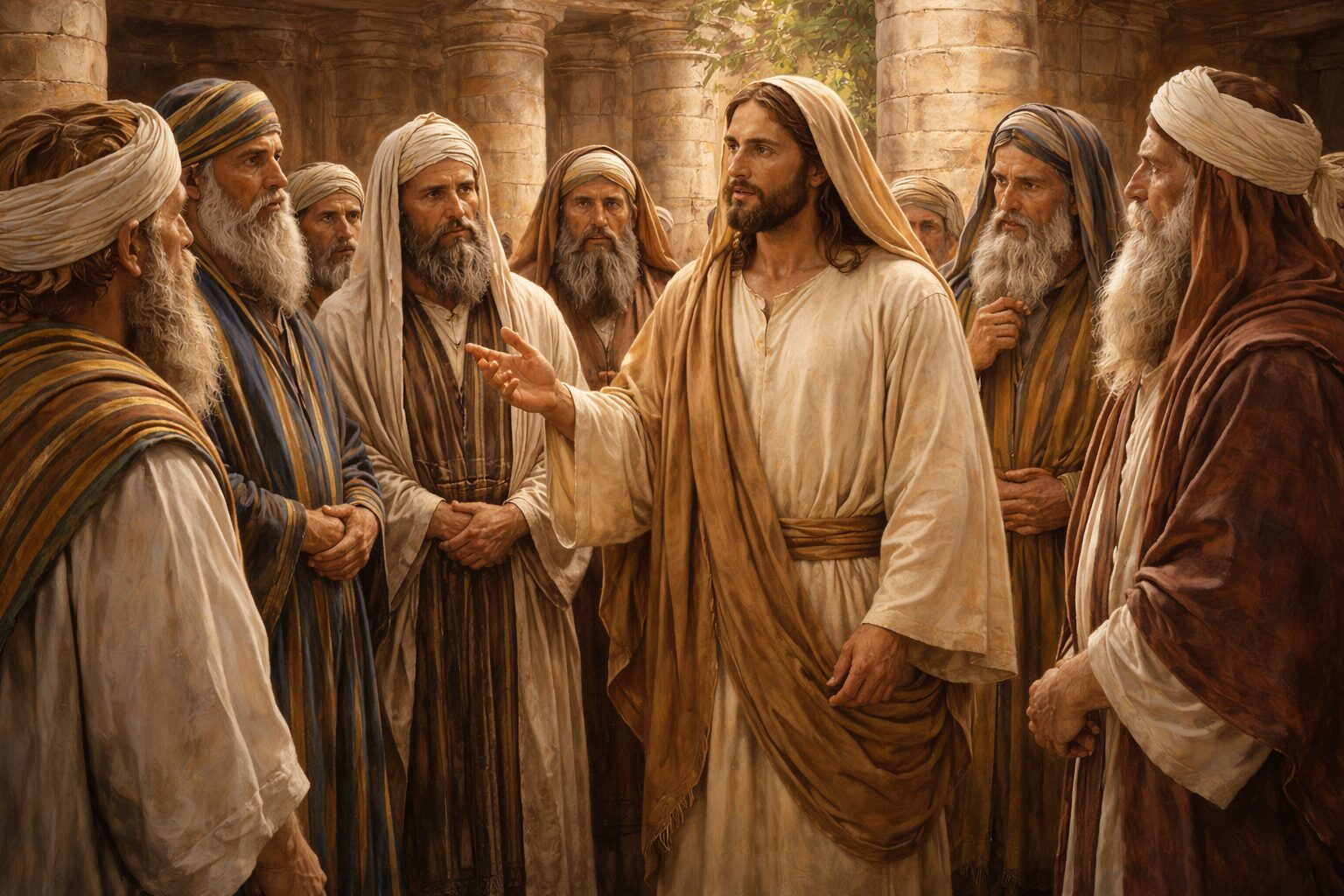
The Importance of Recognizing Jesus
One of the most important truths in Jesus teachings on authority and true worship is this: you cannot separate God from Jesus.
Jesus later reinforces this idea in John 14:6, where He says that He is the way, the truth, and the life. No one comes to the Father except through Him.
This means that knowing God requires knowing Jesus. Without Him, we cannot fully understand God’s nature or character.
Therefore, rejecting Jesus is not just rejecting a message. It is rejecting the very revelation of God.
The Danger of Religious Blindness
Another key theme in Jesus teachings on authority and true worship is spiritual blindness. The Jewish leaders believed they were honoring God through their strict adherence to rules. However, in reality, they were missing Him completely.
This reveals a deeper truth. Religion, when it replaces relationship, can quietly lead the heart away from God.
When people rely only on traditions, they begin to follow systems created by men instead of listening to God. As a result, what once brought them closer to God can slowly begin to create distance.
Over time, religion can place people in a box. It creates a mindset that says this is the only way things should be done. Consequently, anything outside of that structure is rejected, even when it comes from God.
Because of this, the leaders could not receive what Jesus was teaching. Their hearts were closed, not because God was silent, but because they were no longer listening.
Reflection
Where in your life might you be holding on to routine instead of relationship?
Prayer
Lord, help me not to become so focused on doing things a certain way that I miss what You are doing right in front of me. Open my heart to hear You clearly and to follow You fully. Amen.
The Promise of Life and the Reality of Judgment
Jesus also speaks about life and judgment in this passage. He explains that a time is coming when those who hear His voice will live.
This has both a present and future meaning. Spiritually, those who believe in Jesus receive new life. However, there is also a future resurrection where all will be judged.
Those who have done good will rise to eternal life, while those who have rejected God will face judgment.
This is a sobering truth. It reminds us that our lives matter. Every decision, every action, and every choice carries eternal significance.

Living in Light of This Truth
So, what does this mean for us today?
First, it challenges us to examine our hearts. Are we focused more on rules or on relationship? Are we following traditions, or are we truly listening to God?
Second, it reminds us that Jesus must be central in our lives. We cannot know God apart from Him.
Finally, it calls us to live with awareness. Our lives are not our own. One day, we will stand before God and give an account.
However, this is not meant to bring fear. Instead, it is an invitation to live intentionally, with faith and purpose.
Conclusion
Jesus teachings on authority and true worship reveal more than a conflict between Jesus and religious leaders. They uncover a deeper truth about God’s heart, Jesus’ authority, and the danger of empty religion.
Jesus came to restore what had been lost. He came to bring life, not restriction. He came to reveal God, not hide Him behind rules.
Are you following God, or just following a system?
Because in the end, true worship is not about rules. It is about relationship.
Read more faith-building reflections at walkingwiththelord.net, and for marriage and family encouragement, visit blissfullywedded.com.
Leave a Reply