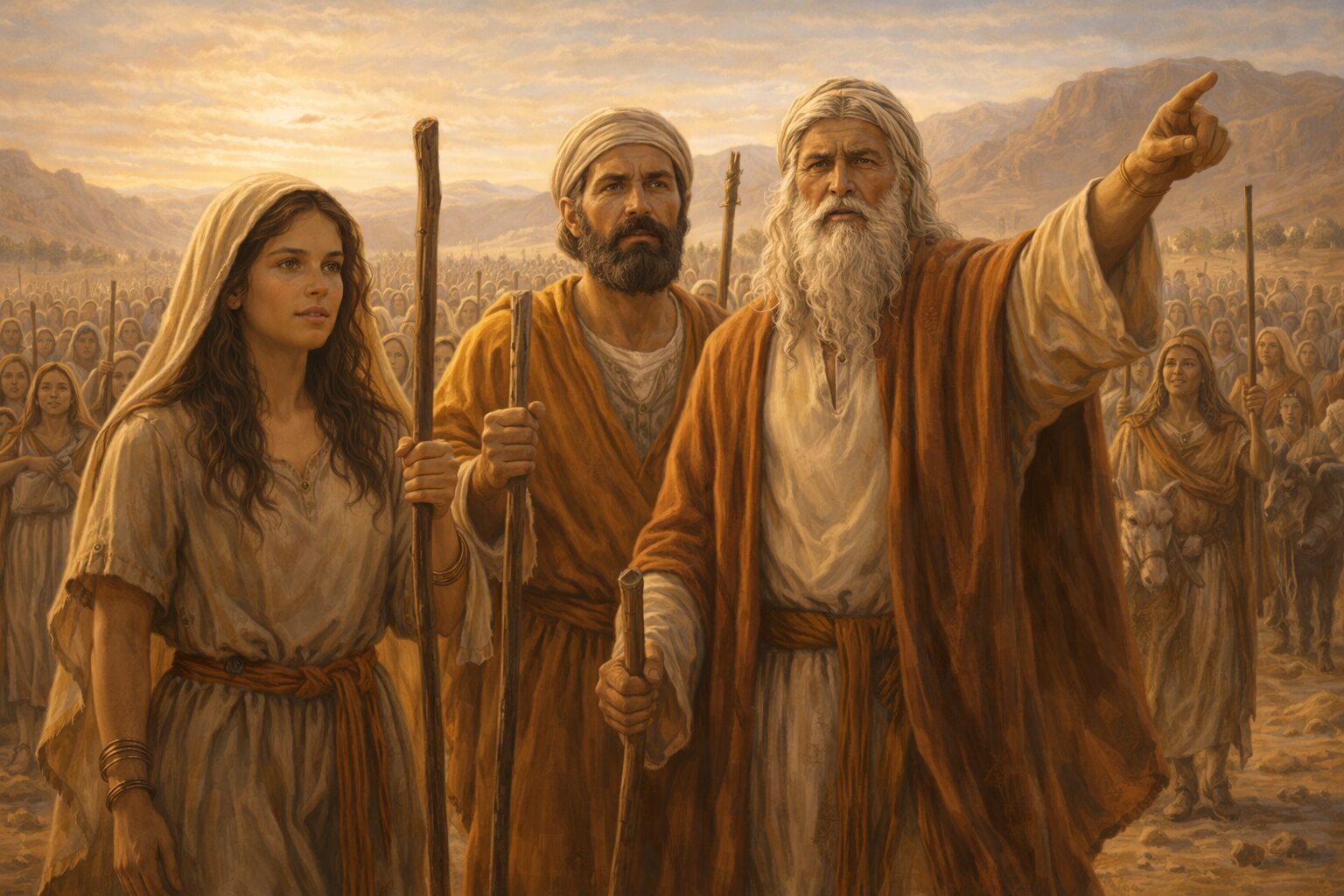
Miriam in the Bible stands out as one of the earliest female leaders recorded in Scripture. Her story appears in the book of Exodus and reveals a woman who demonstrated courage, spiritual awareness, and leadership during a defining moment in Israel’s history. Although the Bible does not give a long biography of Miriam, the moments where she appears reveal important lessons about faith, responsibility, and the impact of our words and actions.
Miriam was the sister of Moses and Aaron. She lived during a time when the Israelites were suffering under harsh slavery in Egypt. Despite the oppression surrounding her people, Miriam played a significant role in preserving the life of Moses and later became a recognized prophetess among the Israelites. Her story reminds us that God often uses ordinary individuals in extraordinary ways.
“Miriam’s life reminds us that courage in small moments and humility in leadership both shape the story God is writing through us.”
Miriam’s Courage as a Young Girl
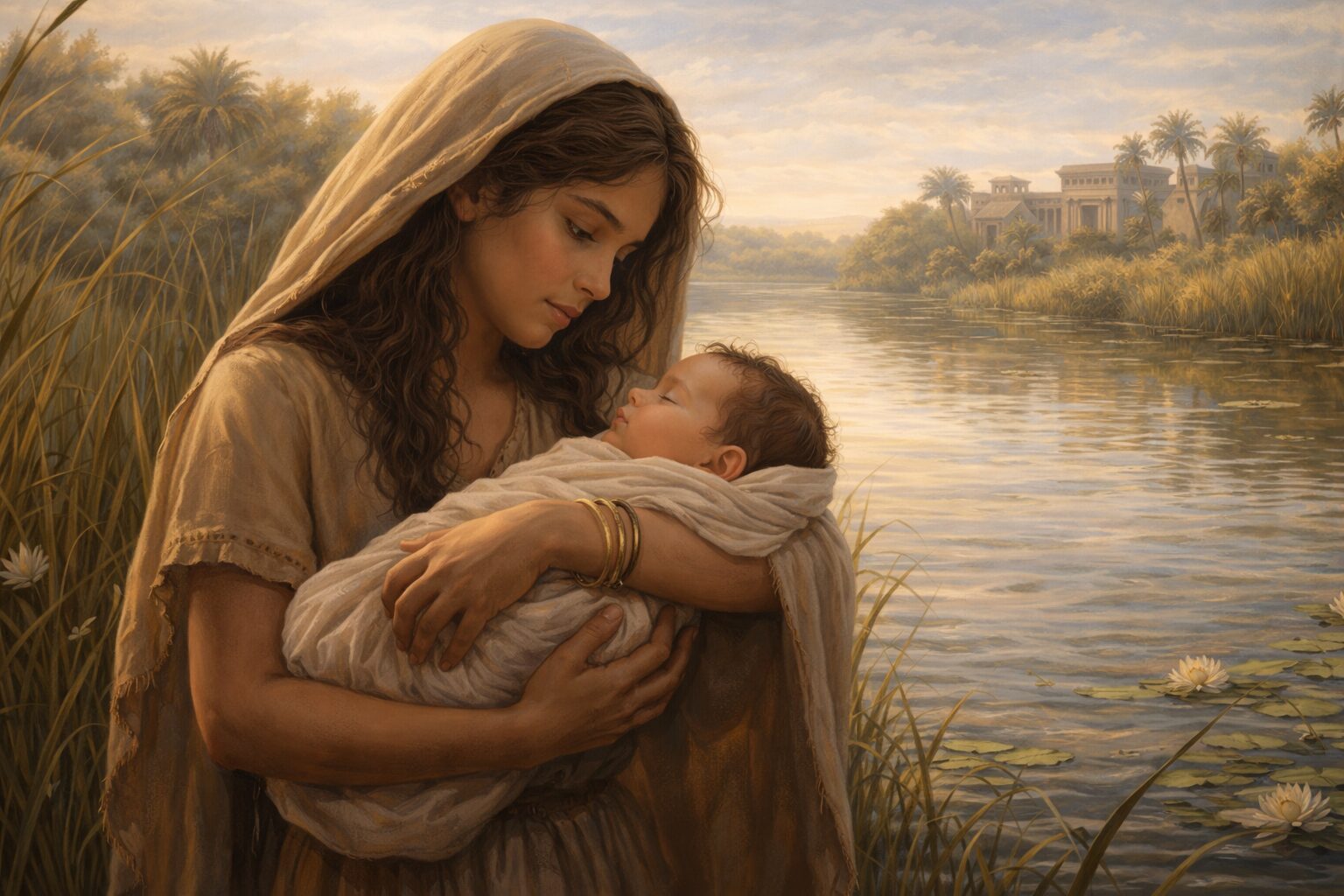
One of the earliest moments we see Miriam in the Bible occurs when Moses was born. During that time, Pharaoh had ordered that Hebrew baby boys be killed. Moses’ mother placed him in a basket and set him among the reeds of the Nile River in hopes that he might survive.
Miriam watched from a distance to see what would happen to her baby brother. When Pharaoh’s daughter discovered the child, Miriam quickly stepped forward with wisdom and boldness. She offered to find a Hebrew woman to nurse the baby.
Through this simple but courageous act, Miriam helped reunite Moses with his own mother. This moment may seem small, but it played a vital role in preserving the life of the man who would later lead Israel out of Egypt.
This part of Miriam’s story reminds us that God’s plans often unfold through moments that appear ordinary. A young girl standing by the river became part of a much larger story of deliverance.
Miriam the Prophetess
Years later, after God delivered Israel from slavery and led them through the Red Sea, Miriam appears again in a powerful moment of celebration. Exodus 15:20 describes her as a prophetess.
A prophetess was someone who spoke under the guidance of God. This title shows that Miriam was recognized as a spiritual leader among the people.
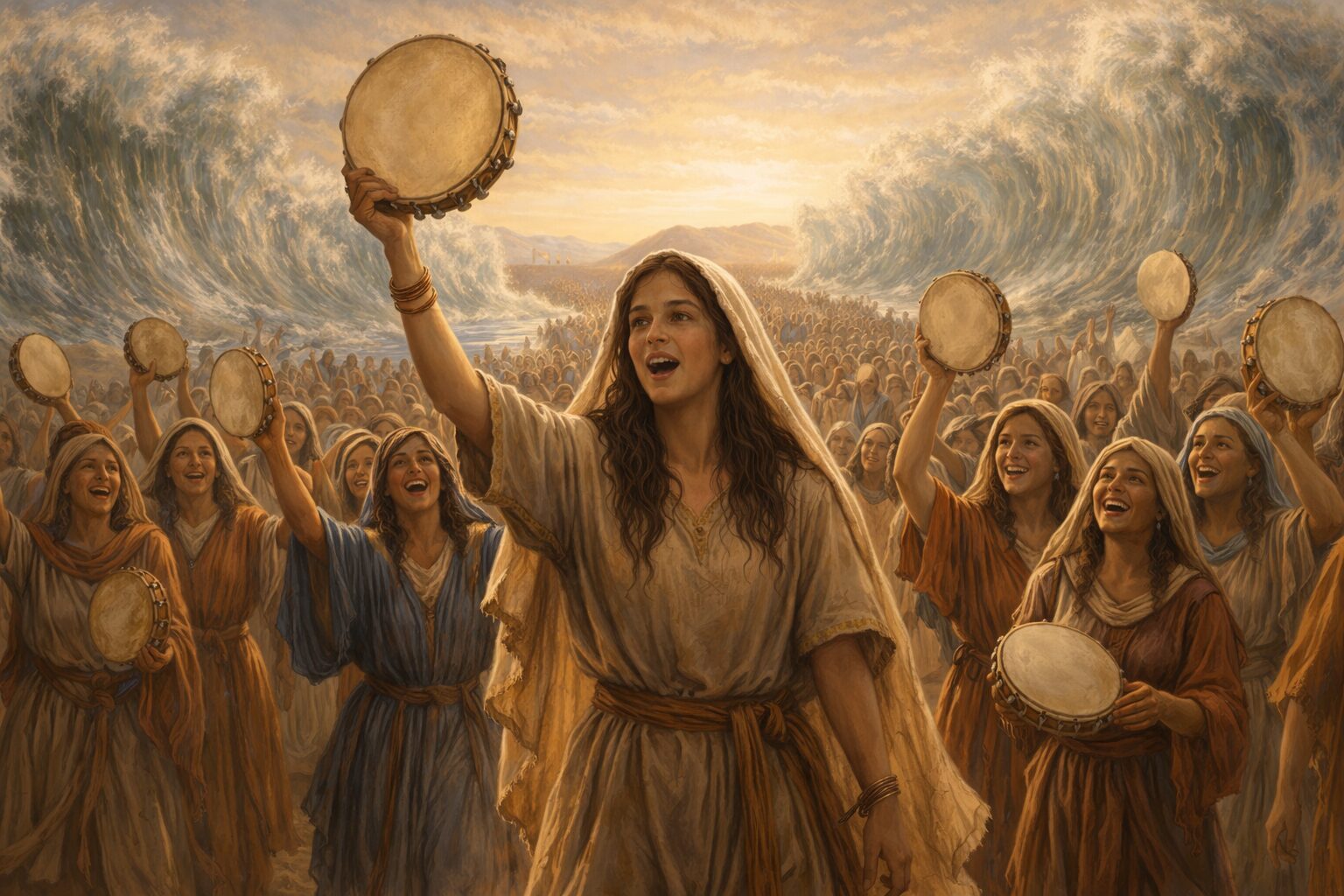
After the Israelites crossed the Red Sea and witnessed the defeat of Pharaoh’s army, Miriam took a tambourine and led the women in worship. They sang and danced in celebration of God’s victory.
This moment reveals another important aspect of Miriam in the Bible. She did not only witness God’s work. She responded with worship and helped others do the same.
Her leadership in worship shows that praising God publicly can strengthen the faith of an entire community. Miriam used her voice and influence to direct attention back to God’s power and faithfulness.
Scripture Reflection
Exodus 15:20–21
“Then Miriam the prophetess, Aaron’s sister, took a tambourine in her hand, and all the women followed her, with tambourines and dancing. Miriam sang to them: ‘Sing to the Lord, for He is highly exalted. Both horse and driver He has hurled into the sea.’”
Worship was Miriam’s response to God’s deliverance. When God works powerfully in our lives, our natural response should be gratitude and praise. Worship not only honors God, it strengthens the faith of those around us.
Leadership Among the Israelites
Miriam’s role in Israel extended beyond a single moment of celebration. In the book of Micah, God reminds the people of Israel that He sent Moses, Aaron, and Miriam to lead them.
This reference confirms that Miriam held an important position within the leadership structure of Israel. While Moses served as the primary leader and Aaron as the priest, Miriam also played a meaningful role in guiding the people.
Her presence shows that God’s work often involves multiple individuals serving together. Leadership in God’s kingdom is not limited to one person. Instead, God raises different people with different responsibilities to accomplish His purposes.
Miriam’s story highlights the importance of faithfulness within the roles God gives us.
A Difficult Lesson
Although Miriam experienced moments of honor and influence, her story also includes a serious warning. In Numbers 12, Miriam and Aaron spoke against Moses because of the woman he had married. Their criticism went deeper than the issue itself. They began to question Moses’ authority and suggested that God spoke through them as well.
God responded by calling the three siblings to the entrance of the tent of meeting. There He made it clear that Moses held a unique position among the prophets because he spoke with God face to face.
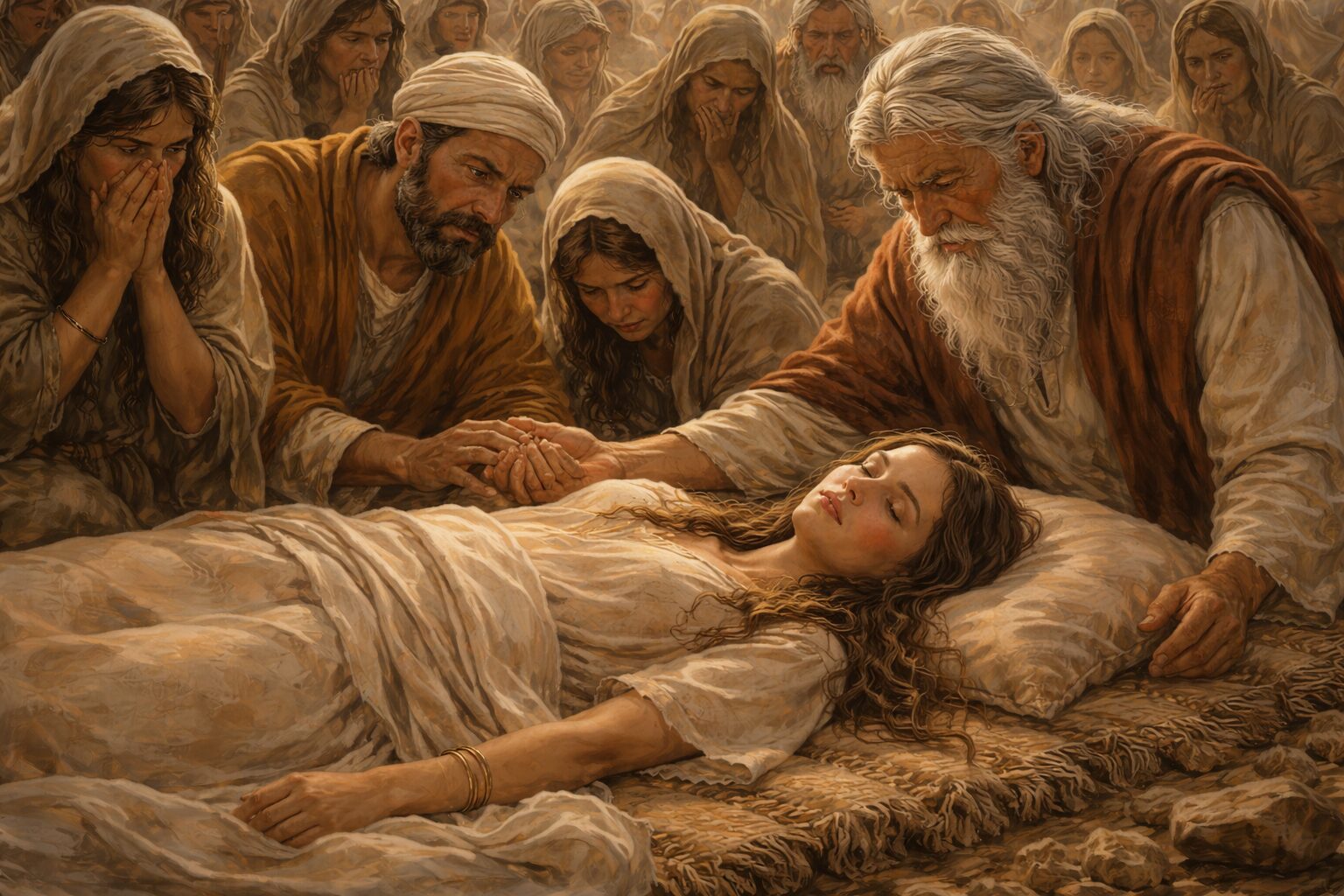
As a result of this confrontation, Miriam was struck with leprosy. Aaron pleaded with Moses, and Moses prayed for her healing. Although God restored her health, Miriam had to remain outside the camp for seven days before returning.
This difficult moment reminds us that even faithful leaders can make mistakes. Pride, jealousy, or careless words can lead to serious consequences.
Yet Miriam’s story does not end in rejection. Instead, we see both correction and restoration. This shows the balance of God’s justice and mercy.
The Legacy of Miriam
Miriam in the Bible is remembered as a woman who played a meaningful role in Israel’s journey from slavery to freedom. She protected her brother as a child, led worship after God’s great deliverance, and served among the leaders of the nation.
Her story also reminds us that leadership carries responsibility. The influence we have over others should always point people back to God rather than to ourselves.
When Miriam died, the book of Numbers records that the Israelites mourned her. This response shows that her life had a lasting impact on the community.
Although the Bible records only a few moments of her life, those moments reveal a woman who experienced both great honor and humbling correction.
Lessons We Can Learn from Miriam
The story of Miriam in the Bible offers several meaningful lessons for believers today.
First, courage in small moments can shape the future. Miriam’s decision to step forward by the Nile River helped protect the life of Moses, who later became the leader of Israel’s deliverance.
Second, worship matters. Miriam’s leadership in praise after the crossing of the Red Sea shows that celebrating God’s work strengthens the faith of others.
Third, leadership requires humility. Miriam’s mistake in challenging Moses reminds us that pride can damage relationships and disrupt God’s work.
Finally, God’s correction is often part of His restoration. Miriam’s story demonstrates that failure does not have to define a person’s entire life.
Conclusion
Miriam in the Bible provides a powerful example of how God works through individuals in different stages of life. From a courageous young girl watching over her brother to a prophetess leading worship among the people, Miriam’s life reflects both strength and vulnerability.
Her story encourages us to use our influence wisely, to worship God openly, and to remain humble in the roles we are given.
Even though her story contains both triumph and correction, Miriam remains an important figure in the history of God’s people. Her life reminds us that faithfulness, courage, and humility are qualities that God can use to shape a lasting legacy.
Continue walking faithfully and growing deeply in His Word at walkingwiththelord.net. For family and marriage encouragement visit blissfullywedded.com.
Leave a Reply