
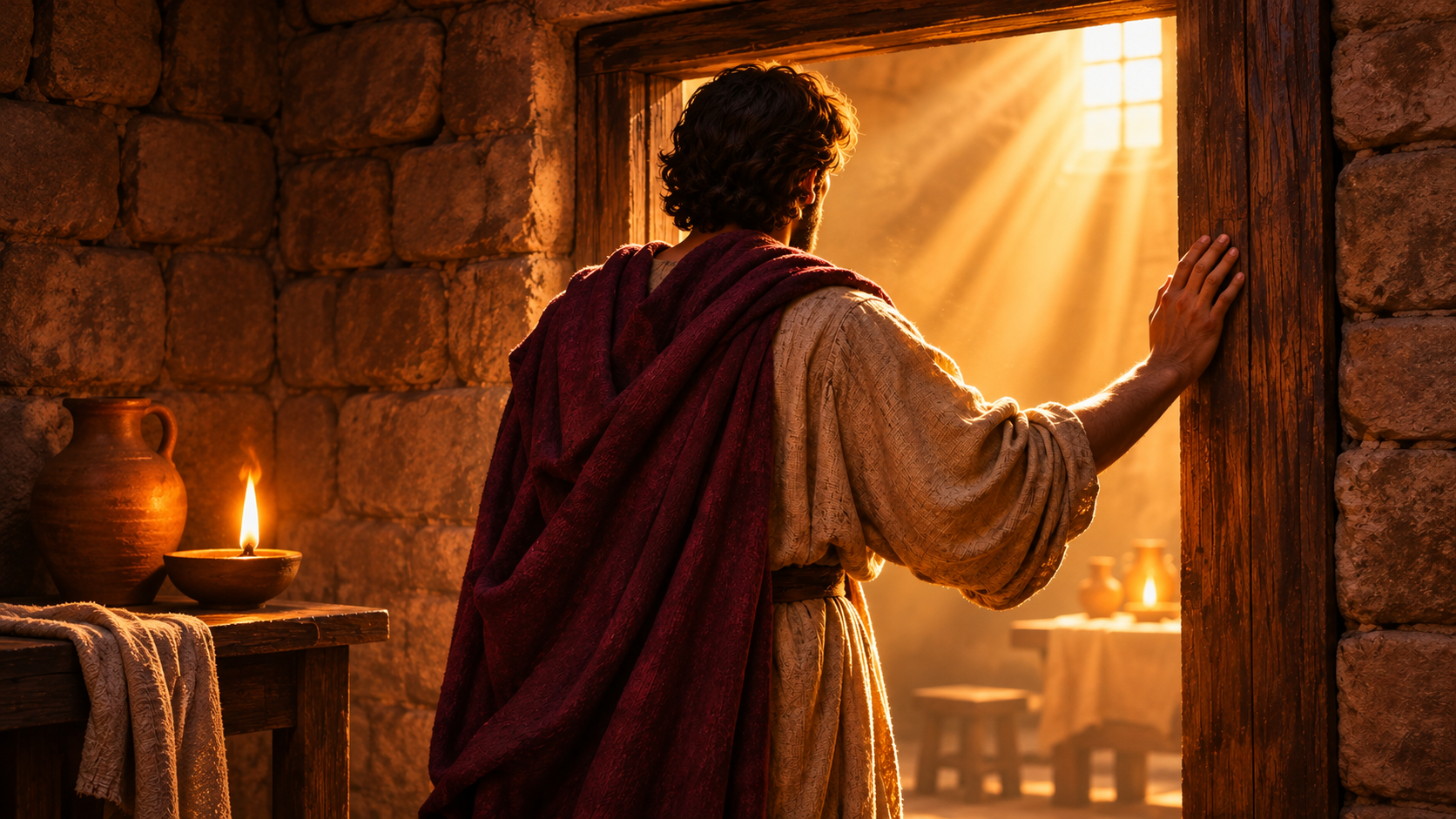
Thomas in the Bible is often remembered for one moment of doubt, yet his story is far richer than a nickname. Although Scripture tells us little about his family or background, Thomas stands out among the twelve for one clear reason: he asked questions. He did not hide his thoughts from Jesus. Instead, he brought them straight to the Master.
Why Jesus Chose Thomas
Jesus knew the hearts of His disciples before He ever called them. In fact, He once told the twelve that one of them was a devil (John 6:70). So when Jesus chose Thomas, He knew exactly who He was getting: the disciple who would ask the difficult questions. Even so, He welcomed him.
Jesus did not build His team from people with the same temperament. Rather, He chose men with different personalities who would challenge Him, learn from Him, and help carry His purpose forward. As Paul writes, “in a great house there are not only vessels of gold and of silver, but also of wood and of earth” (2 Timothy 2:20). Every vessel has a purpose, and Thomas was no exception.
The Courage of Thomas in the Bible
Before Thomas ever doubted, he showed remarkable courage. When Lazarus died, Jesus decided to return to Judea, the very place where people had recently tried to stone Him. Naturally, the disciples worried about His safety. Thomas, however, turned to the others and said, “Let us also go, that we may die with him” (John 11:16).
Was he pessimistic or courageous? Honestly, I believe he was both. He saw danger ahead and assumed the worst, yet he chose to go anyway. In that moment he did not have all the answers. Still, he was ready to follow Jesus even if it cost him his life. Clearly, Thomas knew how to read a room. He did not question everything; he questioned when the situation called for it.
There is a lesson here for us. Understanding God’s plan and trusting God are not the same thing. Understanding is knowing how God works, while trust is knowing He will do what He said, even when we cannot see how. When I look back at how far God has brought me, my trust grows out of His faithfulness over the years, not out of having every detail figured out.

Honest Questions Lead to Deeper Truth
Later, Jesus told His disciples He was going to His Father’s house to prepare a place for them. Thomas answered honestly: “Lord, we know not whither thou goest; and how can we know the way?” (John 14:5). Because Jesus often taught in parables, Thomas likely wanted to know whether this place was figurative or real. Others may have wondered the same thing, but only Thomas was bold enough to ask.
Notice what happened next. Jesus was not annoyed. Instead, He gave one of the clearest statements about His identity: “I am the way, the truth, and the life: no man cometh unto the Father, but by me” (John 14:6). That profound truth came because Thomas was willing to admit what he did not understand.
Asking questions does not mean your faith is weak. On the contrary, it shows dependence on God. Solomon prayed for an understanding heart because he knew he could not lead without it. Likewise, Proverbs 3:5-6 tells us to trust the Lord with all our heart and acknowledge Him in all our ways, and He will direct our paths. So what separates honest questioning from rebellious unbelief? Ultimately, it comes down to motive. Honest questions seek clarity and growth, whereas rebellious unbelief looks for reasons to dismiss God.
When Thomas Doubted
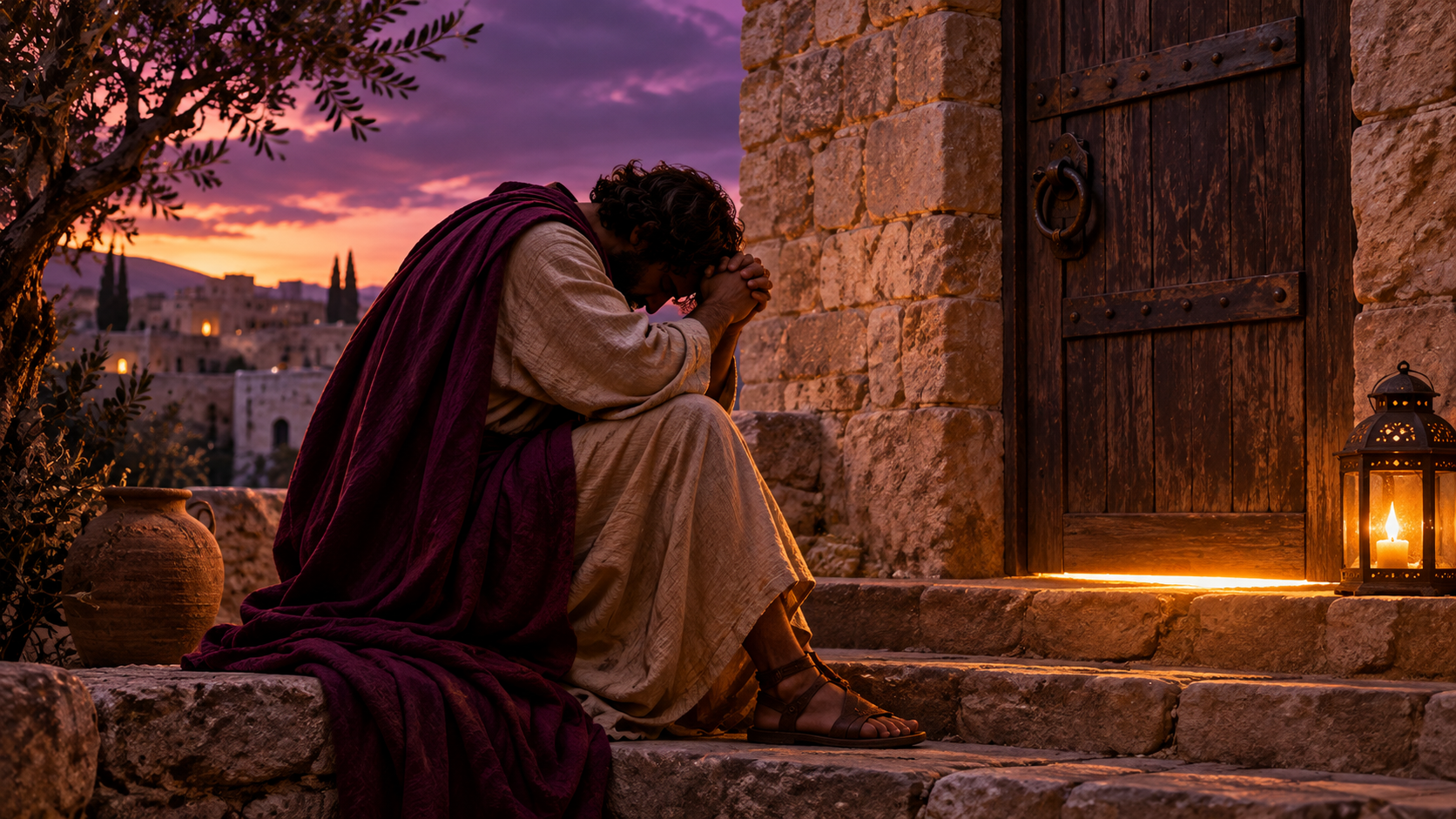
After the resurrection, Jesus appeared to the disciples, but Thomas was not with them. When they told him they had seen the Lord, he said that unless he saw the nail prints and touched the wounds, he would not believe (John 20:25).
To understand Thomas in the Bible here, consider what he had just lived through. He had watched his innocent Teacher die on a cross. Even though Jesus had promised to rise again, grief weighed heavily on every disciple. Under that weight, believing someone had risen from the dead felt impossible without proof.
Disappointment does the same thing to us. When our expectations are not met, we tend to step back. With God, however, faith keeps us expectant even when we see no results. His thoughts are higher than ours (Isaiah 55:8-9), and His plans are to give us an expected end (Jeremiah 29:11). I have struggled to believe when I did not receive what I expected. What helped me most was getting to know God through His Word.
Jesus Came Back for Thomas
Eight days later, Jesus appeared again, and this time Thomas was there. Rather than rebuking him, Jesus addressed his exact struggle and invited him to see and touch the wounds. Jesus did not walk away from his weakness. Instead, He drew closer.
Immediately, Thomas declared, “My Lord and my God” (John 20:28). His doubt melted into worship. Then Jesus added, “blessed are they that have not seen, and yet have believed” (John 20:29). Most of us will not see the evidence as plainly as Thomas in the Bible did. Our prayers may take time, and some promises unfold slowly. Even so, Jesus calls us blessed when we keep trusting while we wait.
Faith That Stays Close
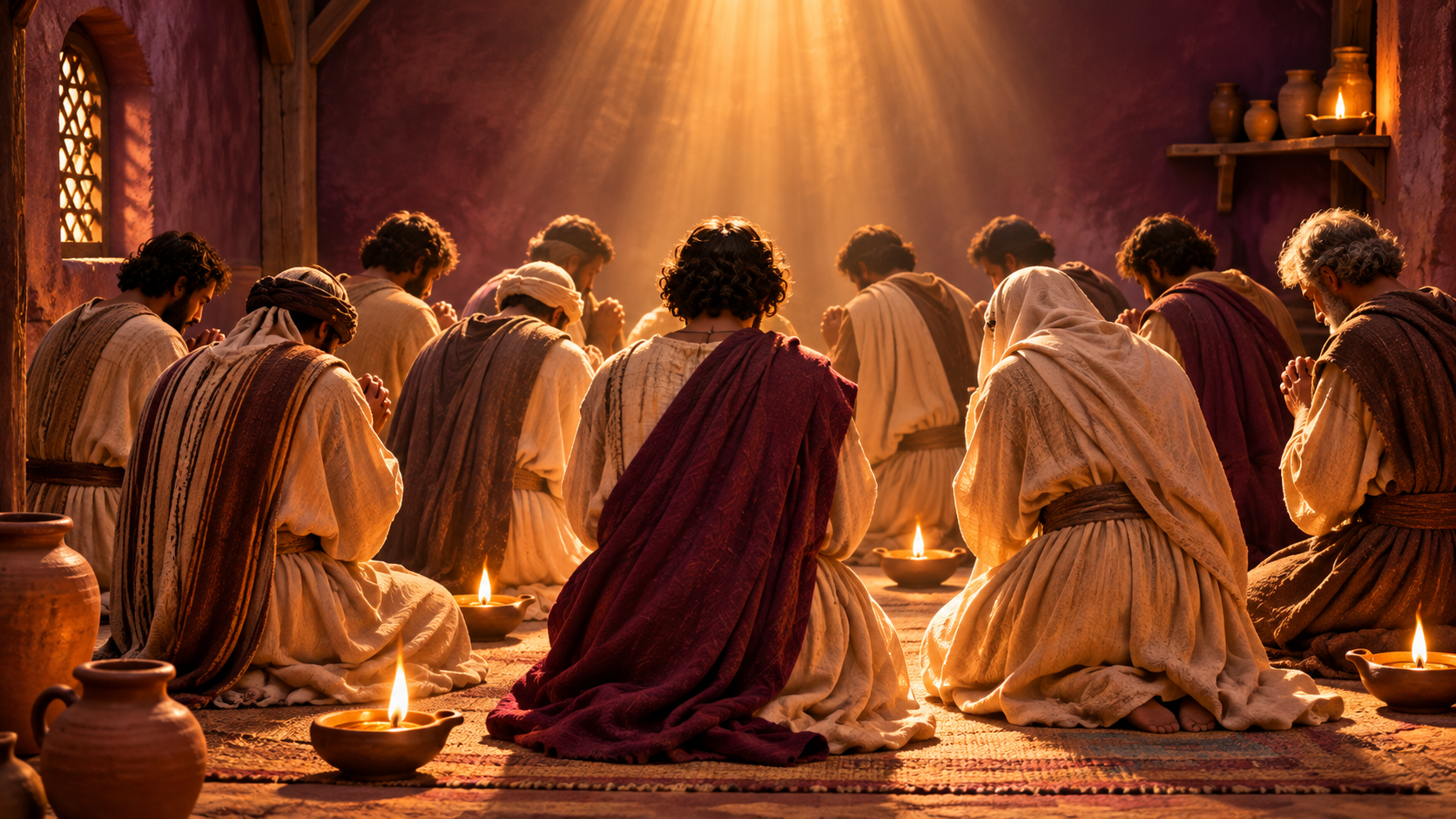
The story of Thomas in the Bible did not end with doubt. In Acts 1:13-14, Thomas is listed among the disciples who devoted themselves to prayer while waiting for the promised Holy Spirit. Clearly, his questions were never about spite. They came from a deep longing to know Jesus.
Doubt can come from unanswered prayer, from truths that are hard to grasp, or from the influence of others. What matters is how we handle it. Thomas took his questions to Jesus, and we can do the same in prayer. We can also seek out a pastor or a mature believer grounded in the Word.
Above all, Thomas in the Bible teaches us that having questions does not make you a bad believer. In fact, honest questions are part of growing in Christ.
Reflect and Pray
- What questions am I afraid to bring to God?
- Where is God asking me to trust Him before I have all the answers?
Lord, meet me in my uncertainty. Help me bring my doubts to You instead of letting them pull me away. Strengthen my faith until I can say with my whole heart, “My Lord and my God.” Amen.
For more faith-based Bible teachings and devotionals, visit walkingwiththelord.net, and for marriage and family encouragement, visit blissfullywedded.com.
Leave a Reply